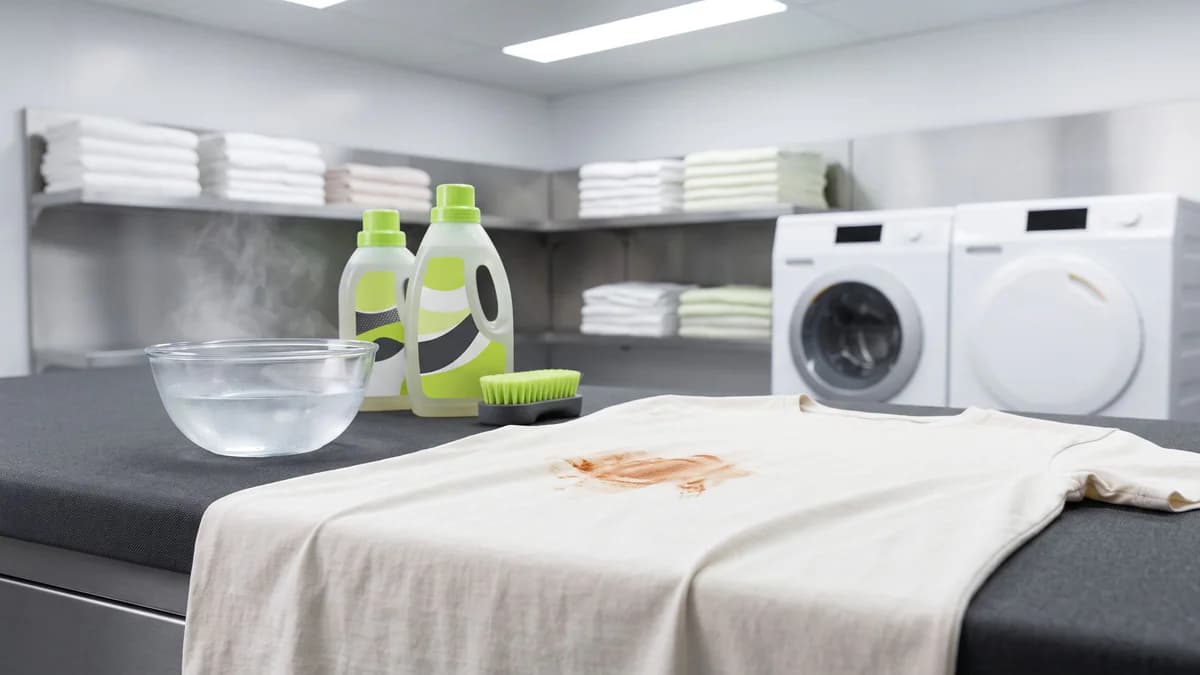
How to Remove Rust Stains From Clothes: Complete Guide for All Fabrics
Remove rust stains from clothing with household remedies and professional methods. Fabric-specific techniques, timing tips, and when to seek professional help.
Rust stains on your favorite clothes can feel like a disaster, especially when regular washing doesn't budge those stubborn orange-brown marks. Whether they came from metal furniture, tools, a rusty bike, or even tap water with high iron content, outdoor stains like rust require specialized treatment because they chemically bond to fabric fibers in ways that standard detergent simply can't handle. The good news is that with the right approach, you can effectively remove rust stains and other outdoor stains from most fabrics using household remedies or professional services.
Understanding Why Rust Stains Are So Stubborn
Rust stains on clothing appear as reddish-brown discolorations that typically occur when iron oxidizes and transfers to fabric, with these stubborn marks differing from regular stains because they contain metal particles that bond chemically with fabric fibers, making them particularly challenging to remove with standard laundry methods. This chemical bonding is why throwing the garment in the washer with regular detergent often makes the problem worse.
Regular detergent isn't designed to break down or dissolve iron deposits, which is why rust removal from clothing needs a different approach, and without the right treatment, washing and drying can actually set the stain deeper into the fibers, making it harder to lift. Understanding this chemistry is the first step to successful stain removal.
What You'll Need
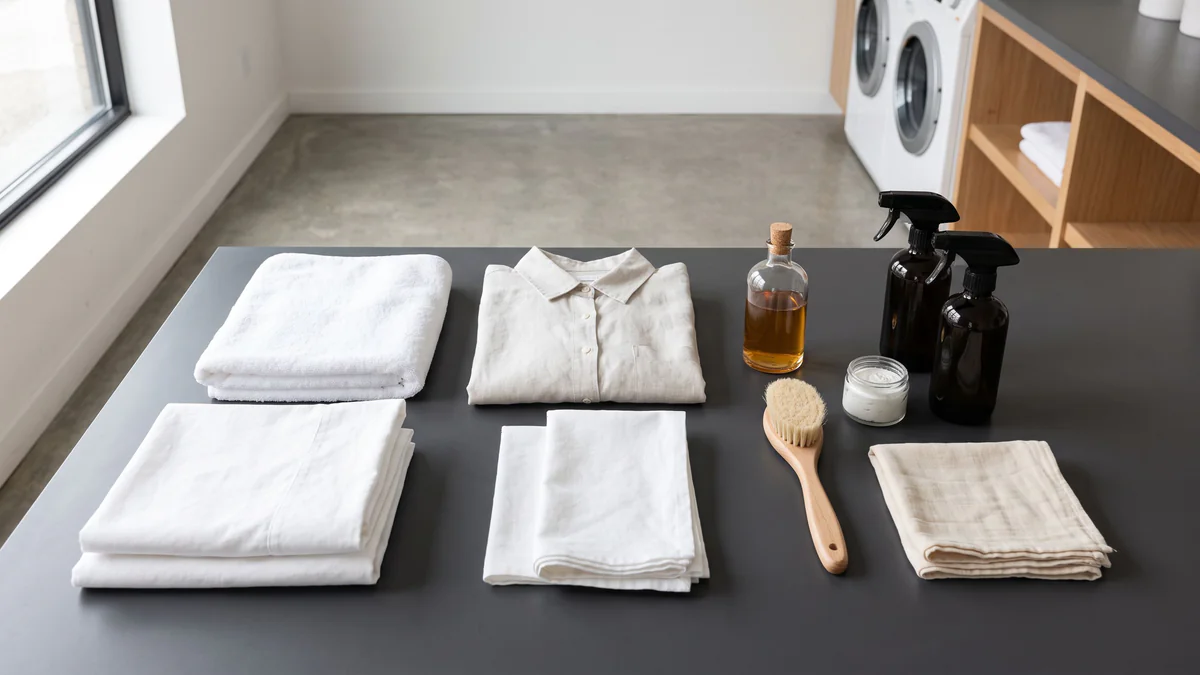
Before you start treating that rust stain, gather your supplies. The method you choose depends on the stain's age and your fabric type, but here are the most effective options, according to Laveries Speed Queen:
For Household Remedies:
- White vinegar
- Lemon juice
- Table salt
- Baking soda
- Hydrogen peroxide
- Cream of tartar
- Soft-bristled brush or old toothbrush
- Clean cloth or towel
- Cold water
For Professional Treatment:
- Commercial rust remover (oxalic acid-based)
- Professional dry cleaning service for delicate fabrics, according to Maids.
Essential for All Methods:
- Care label from the garment (check fabric type)
- Small inconspicuous area to test your chosen method
- Clean surface to work on
Step-by-Step Removal Methods
Method 1: Lemon Juice and Salt (Best for Fresh Stains)
This is one of the most effective household remedies and works particularly well on white and light-colored fabrics, according to Uga.
Step 1: Assess and Prepare
Check the care label on the garment, as delicate fabrics like silk or wool may require a gentler approach, while cotton and polyester can handle more robust treatments. Lay your garment flat on a clean surface with the stained area facing up.
Step 2: Test First
Always test any cleaning solution on a small, inconspicuous area to ensure it won't damage the fabric. Apply a small amount of lemon juice to an inside seam or hidden area and wait 5 minutes to ensure no color bleeding occurs.
Step 3: Apply the Solution
Sprinkle salt on the stain, squeeze lemon juice on it and spread in the sun to dry, then rinse thoroughly and repeat if necessary. The combination works because the acidity in lemon juice breaks down the iron, while salt acts as a mild abrasive.
Step 4: Activate with Sunlight
Let the garment sit in direct sunlight for 1-2 hours. The sunlight will help activate the cleaning process. This step is crucial for maximum effectiveness.
Step 5: Rinse and Launder
Rinse the area thoroughly with cold water, according to Puracy. Check if the stain is gone. If it remains, repeat the process. Once satisfied, wash the garment according to its care label instructions.
Method 2: Baking Soda and Hydrogen Peroxide (Best for Tough Stains)
This method is gentle enough for most fabrics and particularly effective on set-in stains. Create a soaking solution by adding 3 tablespoons of baking soda per gallon of cold water for best results.
Step 1: Create the Paste
Make a paste with 2 parts baking soda to 1 part hydrogen peroxide and apply the paste to the rust stain and let it sit for 15 to 30 minutes. Baking soda creates an alkaline environment that helps lift rust from fabric.
Step 2: Let It Work
Don't rush this step. The paste needs time to penetrate the fabric fibers and break down the rust particles. Set a timer for at least 15-30 minutes.
Step 3: Gentle Scrubbing
Gently scrub the rust stain using circular motions with an old toothbrush or soft-bristled brush. Be careful not to scrub too vigorously, especially on delicate fabrics.
Step 4: Rinse Thoroughly
Scrub gently with a brush and rinse under running cold water, then wash the clothes as usual. Make sure all paste residue is removed before putting the garment in the washing machine.
Method 3: Vinegar and Salt (Gentle for Colored Fabrics)
One of the simplest ways to clean rust off clothes is by using white vinegar and salt. The acidity of vinegar combined with the abrasive quality of salt creates a powerful rust-fighting solution, making it easier to lift the stain from the fabric.
Step 1: Mix the Solution
Mix equal parts white vinegar and table salt to form a thick paste.
Step 2: Apply and Soak
Apply the paste directly to the rust stain and let it sit for 30 minutes to 1 hour. Soak the stained area in a mixture of one part vinegar to two parts water for 30 minutes, then scrub with a soft brush, which is gentle enough for colored fabrics and works on both fresh and set-in stains.
Step 3: Scrub and Rinse
Gently scrub the area with a soft brush, then rinse with cold water. Repeat if necessary before washing.
Method 4: Cream of Tartar (For Boilable Fabrics)
For sturdy, natural fabrics like cotton and linen that can handle heat, this method is highly effective. Cream of tartar mixed with boiling water creates an effective soak for rust-stained fabrics, lifting stains in one to two hours.
Step 1: Check Fabric Safety
If it is safe to boil the fabric (generally some cottons and linens), boil stained article in a solution containing 4 teaspoons of cream of tartar to 1 pint of water, boil until stain is removed, then rinse thoroughly.
Step 2: Prepare the Solution
Fill a pot with water and add the cream of tartar. Bring to a boil.
Step 3: Boil the Garment
Carefully place the stained garment in the boiling solution. Monitor closely and remove once the stain disappears.
Step 4: Cool and Rinse
Allow the garment to cool completely before removing it from the pot. Rinse thoroughly with cold water and wash as usual.
Fabric-Specific Techniques
Different fabrics require different approaches to rust stain removal. Understanding your garment's composition helps you choose the safest method.
Delicate Fabrics (Silk, Wool, Lace)
For delicate fabrics, opt for milder methods like baking soda paste or diluted vinegar solutions. Avoid boiling methods and strong commercial removers. The baking soda and hydrogen peroxide method works well here, but use less hydrogen peroxide to avoid weakening delicate fibers.
Sturdy Fabrics (Cotton, Denim, Linen)
Sturdier fabrics can often handle more concentrated remedies such as pure vinegar or lemon juice. These materials can also tolerate the cream of tartar boiling method and more vigorous scrubbing.
Colored Fabrics
Always test your chosen method on a hidden area first to ensure the treatment won't affect the color. Vinegar and salt or diluted baking soda paste are generally safest for colored items.
White Fabrics
For rusty discoloration on a load of white items, add detergent and one cup of oxygen bleach, and soak clothes for 10-15 minutes, then launder. This method is particularly effective for white garments.
Timing Tips for Success
When you discover a rust stain, timing matters significantly. Acting quickly is crucial because older stains can be more difficult to remove. Fresh stains often respond well to simple household remedies, while set-in stains may require stronger treatments or multiple applications. Outdoor stains from rust and other sources benefit from prompt treatment before they become permanently set.
For best results with any method:
- Treat the stain as soon as you notice it
- Don't put the garment in the dryer before treating (heat can set the stain permanently)
- Allow adequate soaking time for the solution to penetrate
- Be patient with older stains and repeat treatments if needed
- Always test your method on a hidden area first
When to Use Commercial Rust Removers
Apply a commercial rust remover carefully, following manufacturer's directions, repeat process if necessary, and rust removers are available generally in appliance and hardware stores. These products typically contain oxalic acid or similar compounds specifically designed to dissolve rust particles.
Commercial removers work quickly on stubborn stains but require careful handling. Always follow the product instructions, wear gloves, work in a ventilated area, and test on a hidden spot first. These are ideal for:
- Large or heavily set-in stains
- Stains that haven't responded to household methods
- Garments with significant sentimental or monetary value
- Time-sensitive situations
Common Mistakes to Avoid
Understanding what not to do is just as important as knowing what to do:
- Don't use hot water - Heat can set rust stains permanently. Always use cold water.
- Don't scrub aggressively - Vigorous scrubbing can damage fabric fibers and spread the stain. Use gentle, circular motions.
- Don't skip the test patch - Always test your chosen method on a hidden area first to check for colorfastness and fabric damage.
- Don't use chlorine bleach - This will set the stain, making it impossible to remove.
- Don't wash before treating - Regular washing can push the stain deeper into the fibers.
- Don't give up too quickly - Rust stains often require multiple treatments, especially if they're old or large.
- Don't ignore the care label - Different fabrics need different approaches. Respect your garment's care instructions.
Professional Help: When to Call a Dry Cleaner
Some rust stains are best left to professionals, particularly for valuable or delicate garments. Professional dry cleaning services have access to specialized equipment and commercial-grade rust removers that can tackle stains household methods can't.
Consider professional cleaning for:
- Silk, wool, cashmere, or other luxury fabrics
- Expensive or sentimental garments
- Large or heavily set-in stains
- Stains on multiple items in a garment
- Situations where household methods have failed
If you're in the Houston area and need professional stain removal help, WashMaxx offers expert laundry services with experienced staff who know how to handle delicate fabrics and stubborn outdoor stains. Our team can assess your garment and recommend the best treatment approach. Machine-washable items suit our wash and fold service. Anything the label marks dry clean only belongs with a specialist cleaner.
Conclusion
Rust stains don't have to mean the end of your favorite garment. By understanding how rust bonds to fabric and choosing the right removal method for your specific situation, you can successfully eliminate these stubborn marks. Fresh stains respond well to simple household remedies like lemon juice and salt, while older stains may require baking soda and hydrogen peroxide or commercial rust removers.
Remember to always test your chosen method on a hidden area first, use cold water, avoid heat and chlorine bleach, and be patient with the process. Most rust stains can be removed with a combination of the right technique and persistence.
If you're dealing with delicate fabrics or valuable garments, or if household methods haven't worked, professional cleaning services are worth the investment. The key is to act quickly and treat rust stains with the specialized approach they require.
Ready to tackle that rust stain? Start with the method best suited to your fabric type, and don't hesitate to reach out to professionals if you need help. Visit WashMaxx today at one of our Houston locations (Post Oak, Bissonnet, or Bellerive) for expert laundry guidance and stain removal assistance.
If you would rather hand this work to a team, start with our wash and fold laundry service.
Get Expert Help TodayReady to skip the laundry
Drop it off, we’ll handle it.
Houston’s premier washateria with three convenient locations. Self-service, wash & fold, or pickup & delivery.
Related Articles