How to Remove Blood Stains from Clothes: Step-by-Step Guide for Fresh & Dried Stains
Complete guide to remove ink stains and blood stains from fabrics using cold water, enzyme-based detergents, and proven pre-treatment methods for fresh and set-in stains.
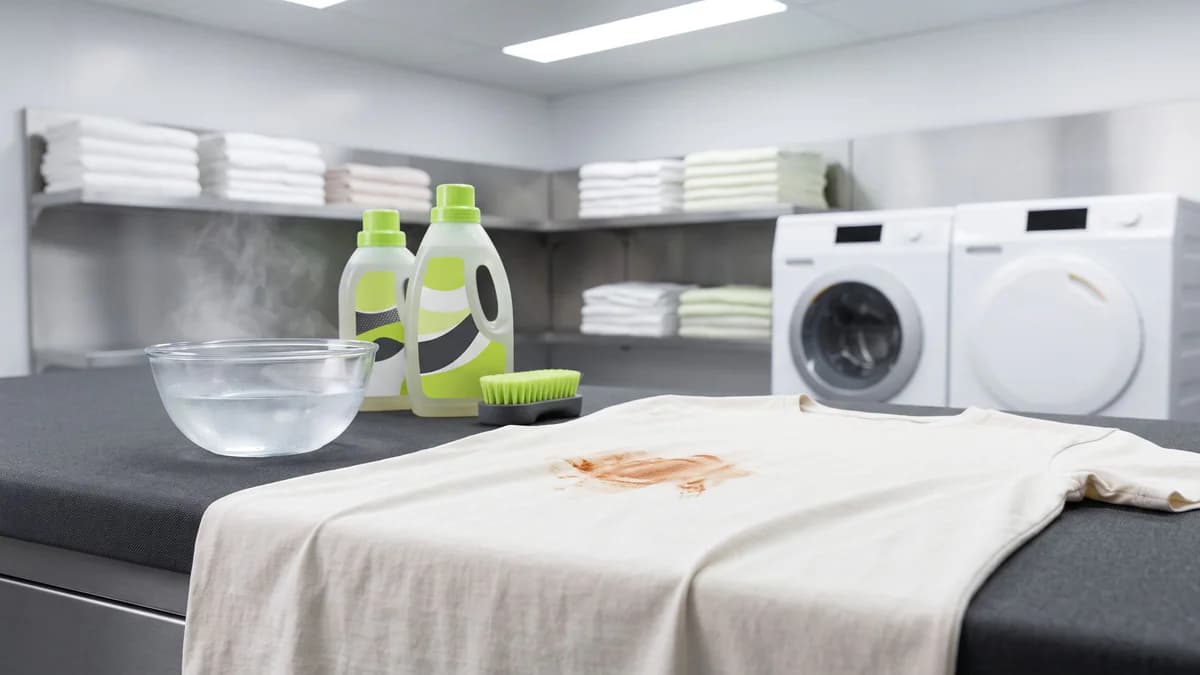
Blood stains are among the toughest challenges you'll face in laundry, but the good news is that they're completely removable when you know how to remove ink stains and other protein-based marks. The secret to successful blood stain removal lies in understanding the science behind the stain and acting quickly with the right methods. Whether you're dealing with a fresh accident or a stubborn stain that's been sitting in your closet for weeks, this guide will walk you through proven techniques that work on nearly every fabric type.
Understanding Why Blood Stains Are Difficult
Before diving into removal methods, it helps to understand what makes blood stains so challenging. Blood contains proteins (primarily hemoglobin) that coagulate permanently when heated, binding the stain irreversibly to the fabric. This is why temperature control is absolutely critical. Always use cold water, as any warm or hot water will "cook" the protein in the blood into the fabric.
The key to how to remove blood stains from clothes is recognizing that fresh blood will dissolve in cold water alone if treated within 5-10 minutes of the stain occurring, because the hemoglobin has not yet begun to bond with the fabric at a molecular level. However, blood proteins begin bonding to cellulose and protein fibers within 10-15 minutes at room temperature, so a stain treated at the 2-minute mark lifts effortlessly while one left for an hour requires enzyme pre-soak or hydrogen peroxide treatment.
What You'll Need
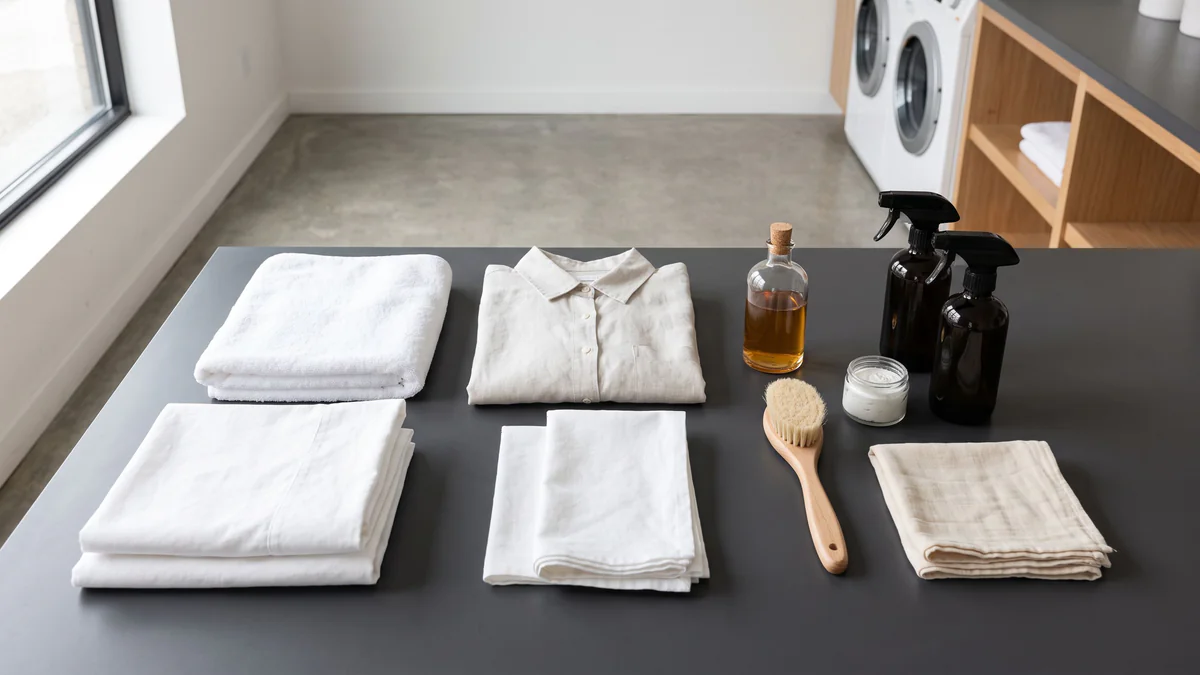
To effectively remove ink stains and blood stains, gather these supplies:
- Cold running water
- Enzyme-based laundry detergent or biological laundry detergent
- Soft cloth or towel for blotting
- Enzyme stain remover (optional but recommended)
- 3% hydrogen peroxide (for white fabrics)
- Table salt (optional alternative method)
- Basin or sink for soaking
- Ammonia (for stubborn, dried stains)
Step 1: Act Quickly and Rinse with Cold Water
The most critical step in blood stain removal is immediate action. Hold the stained area under cold running water, flushing from the reverse side of the fabric, as flipping the garment inside out ensures water pressure pushes the stain outward rather than driving it deeper into the fiber.
For fresh stains, this simple step may be all you need. Hold the stained area under cold running water, letting the stream hit the back of the fabric so it pushes the blood out rather than deeper in, and gently rub the fabric against itself under the water. You should see the blood start to dissolve almost immediately if the stain is fresh.
Step 2: Use Enzyme-Based Detergent for Dried or Stubborn Stains
If cold water alone doesn't remove the stain, enzyme-based detergent is your next line of defense. The most effective weapon against protein stains is a protease enzyme, a type of protein that breaks down other proteins, according to Heritageparklaundry. Biological laundry detergents (sometimes labeled "enzyme" or "bio" detergents) contain these proteases specifically to target protein-based soils.
Here's how to use enzyme detergent effectively:
- Soak the stained fabric in cold water for at least 30 minutes to rehydrate the dried blood
- Apply enzyme-based detergent directly to the stain according to the product's instructions
- Let the detergent sit on the stain for 15-20 minutes
- Gently rub the fabric to work the enzyme into the fibers
- Rinse thoroughly with cold water
If possible, use a laundry detergent that contains added enzymes that can help break down stubborn stains, according to Novonesis. To find an enzyme laundry detergent, look for a detergent that has the word "bio" in its name.
Step 3: Try Alternative Methods for Stubborn Stains
For blood stains that resist enzyme treatment, you have several proven alternatives to remove ink stains and other protein-based marks:
Hydrogen Peroxide Method (for white fabrics)
If stain still remains, put a few drops of 3 percent hydrogen peroxide on stain for 1-3 minutes. The peroxide will fizz as it breaks down the protein. This method works particularly well on white and light-colored fabrics but should be tested on colored materials first, as it can cause bleaching.
Salt Treatment
Salt works as a mild abrasive and also draws moisture (and the dissolved blood) out of the fabric through osmosis. It's not the fastest method, but it's safe, cheap, and uses something you already have in your kitchen. Mix salt with cold water to create a paste, apply it to the stain, and let it sit before rinsing.
Ammonia Solution (for old stains)
To old and stubborn stains, apply a few drops of ammonia and wash again. However, test this on an inconspicuous area first, as ammonia can affect some fabric dyes.
Tips for Success
Work from the back of the fabric. Always flush or apply treatments from the reverse side of the garment. This pushes the stain outward rather than deeper into the fibers, making removal much easier.
Never use hot water. This cannot be overstated. Hot water is the enemy of blood stain removal. Even if you're tempted to use hot water for other stains, resist the urge with blood.
Check before drying. Don't place clothing in the dryer until the stain is removed. Heat from the dryer will permanently set any remaining stain. Always air dry until you're completely sure the stain is gone.
Combine methods if needed. If one approach doesn't work completely, don't hesitate to try another. You might soak with enzyme detergent, then follow up with hydrogen peroxide, then launder normally.
Act fast on fresh stains. The fastest and most reliable treatment for a blood stain is immediate cold water. The sooner you treat the stain, the easier removal becomes.
Common Mistakes to Avoid
Using hot water first. This is the #1 mistake people make. When hemoglobin is exposed to heat (warm water, a hot wash cycle, or a tumble dryer), the protein structure undergoes denaturation. This permanent change makes the stain nearly impossible to remove.
Putting the garment in the dryer. Heat sets protein stains. Always air dry and verify complete stain removal before using the dryer.
Scrubbing aggressively. Gentle rubbing or soaking is far more effective than aggressive scrubbing, which can damage delicate fabrics and spread the stain.
Ignoring the care label. Always read the care label before trying any stain removal method. Do not use any products or procedures prohibited by the care label.
Waiting too long. Always treat blood stains as soon as possible. Set blood stains can be extremely difficult to remove.
When to Call in the Professionals
While most blood stains can be removed at home, some situations call for professional help. If you're dealing with expensive fabrics like silk, wool, or delicate designer garments, or if a stain has been set by heat, professional dry cleaners have access to specialized treatments and expertise that can often save your clothing. WashMaxx handles machine-washable garments at our three Houston locations, and our team can treat most stubborn stains before they set.
Conclusion
Removing blood stains from clothes doesn't have to feel like an impossible task. By understanding the science behind the stain and following these proven steps, you can successfully remove ink stains and blood stains from nearly any fabric. The key is acting quickly, using cold water, and turning to enzyme-based treatments for dried stains. Remember that patience and the right approach matter far more than aggressive scrubbing or hot water.
Most importantly, don't panic. Don't panic if the stain looks stubborn at first. I've removed stains that were weeks old using the enzyme cleaner method. With these techniques in your arsenal, you're equipped to tackle blood stains with confidence.
If you ever encounter a stain that defeats your best efforts, or if you'd prefer to let the professionals handle your laundry challenges, WashMaxx is here to help. Our wash and fold service is available at our Post Oak, Bissonnet, and Bellerive locations throughout Houston, open 7 AM to 10 PM daily. We use enzyme-based detergents and proven stain removal techniques to care for your clothes. The biggest, best and clean washateria in the area is ready to take the stress out of laundry.
Visit us today or explore our convenient pickup and delivery service to learn how we can help keep your clothes looking their best, according to Uga.
Explore Our ServicesReady to skip the laundry
Drop it off, we’ll handle it.
Houston’s premier washateria with three convenient locations. Self-service, wash & fold, or pickup & delivery.
Related Articles