How to Remove Set-In Stains: When Home Treatment Fails and Professional Help Saves Your Clothes
Learn why set-in stains are harder to remove, common mistakes that make them permanent, and when professional dry cleaning in Houston is your best option.
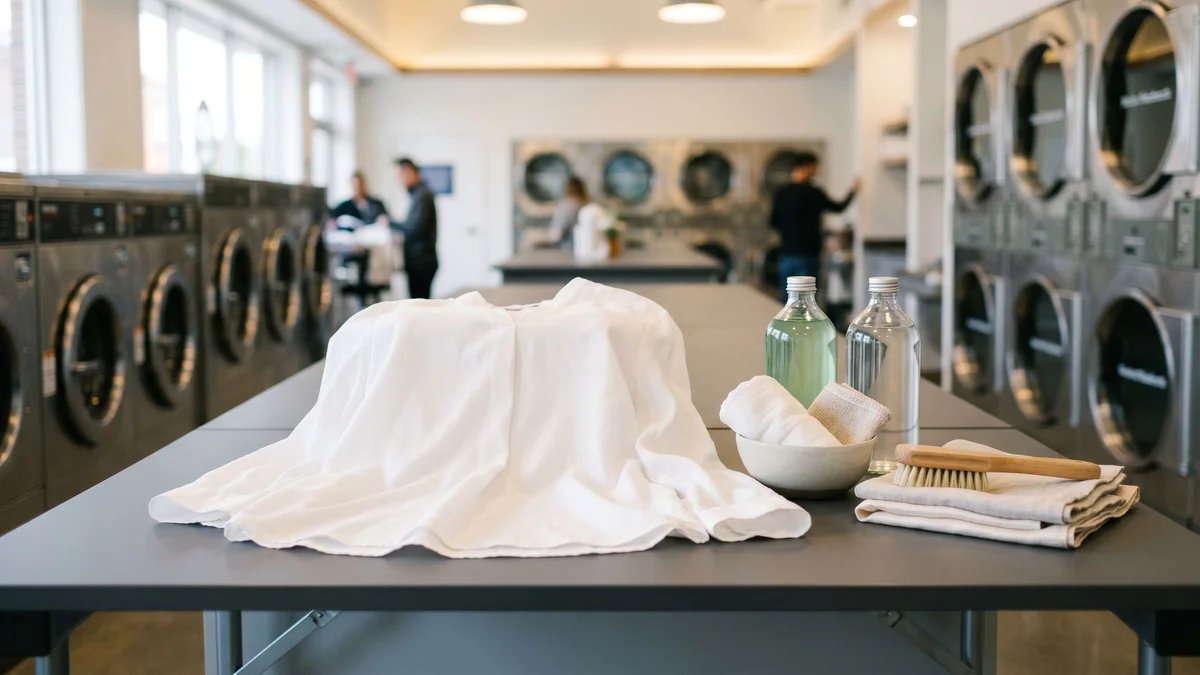
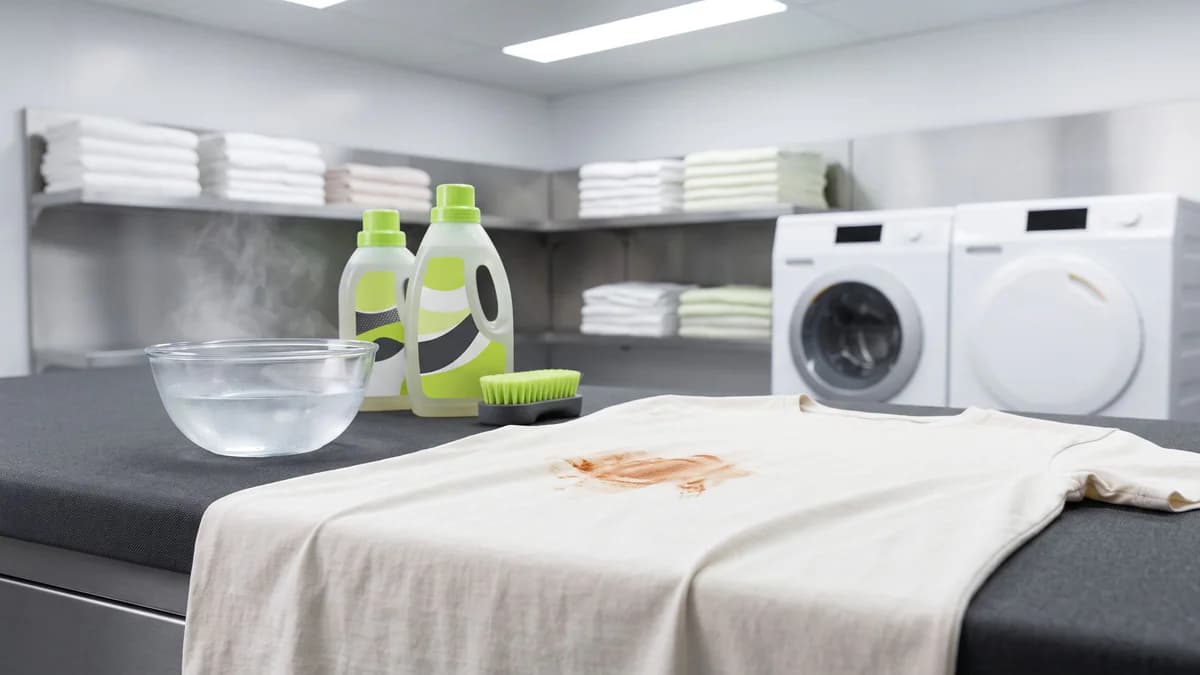
That sinking feeling when you discover a stain on a favorite garment is bad enough, but it's even worse when you realize the stain has been sitting there for days or weeks. Whether you're dealing with mud stains, wine spills, or other stubborn marks, understanding how to remove mud stains and other set-in stains is essential for saving your clothes. When stains oxidize and bond with the fabric itself, the chemistry changes completely, and home treatment methods often fail. Understanding why set-in stains behave differently than fresh stains, and knowing when to bring your clothes to professional dry cleaning, can be the difference between saving a favorite piece and losing it forever.
Understanding How Set-In Stains Develop
Fresh stains and old stains are fundamentally different problems. A spill from ten minutes ago is still loose, sitting on top of the fibers, but give it a few weeks, and the stain oxidizes and bonds with the fabric itself. This transformation is the key reason why removing a week-old stain requires completely different tactics than treating a fresh spill.
The oxidation process is what makes set-in stains so stubborn. Tannin, protein and oils oxidize and set by picking up oxygen from the air, similar to how cutting an apple in half causes it to turn brown from picking up oxygen. This isn't just surface-level discoloration; the stain molecules are chemically changing and bonding more deeply to your fabric fibers.
Fresh stains (0-24 hours) have the highest chance of removal because the stain hasn't really bonded yet, while set-in stains (days to weeks) have moderate success as the stain is absorbing and starting chemical reactions. This timeline is crucial because it shows that every hour that passes makes removal exponentially harder.
Why Heat Accelerates the Problem
One of the biggest mistakes Houston families make is putting stained clothes through the dryer before checking whether the stain is completely gone. If the garment went through even one hot wash or dryer cycle before anyone noticed the mark, heat has already started cooking that stain into place. This single action can transform a potentially removable stain into a permanent one.
Heat sets organic stains permanently, including wine, blood, coffee, grass, and ink, and a faint shadow before pressing can become a fixed mark afterward. The mechanism is simple but devastating: high temperatures cause the stain molecules to form stronger chemical bonds with the fabric fibers, essentially "baking" them in place.
This is why professional dry cleaners emphasize treating stains before any heat exposure. Once heat has set a stain, even professional methods become significantly more challenging and may require specialized solvents that carry a risk of fabric damage.
Common Mistakes That Make Stains Permanent
When we discover a set-in stain, our instinct is often to attack it aggressively. Unfortunately, common mistakes in stain removal often make the problem worse. Here are the critical errors to avoid:
Using the wrong product: Enzyme-based cleaners break down proteins, great for blood or grass, but they can weaken protein fibers like silk and wool, while solvent-based removers dissolve oils and grease, which makes them risky on acetate and other fabrics the solvent itself can damage. Grabbing whatever stain remover is under your sink can cause more damage than the original stain.
Applying heat before the stain is gone: As mentioned, pressing or drying a garment with a faint stain remaining will permanently set it. Always air-dry when dealing with set-in stains.
Aggressive scrubbing: Rubbing hard pushes the stain deeper into the fabric and can damage delicate fibers. Blotting is always the correct approach.
Using bleach indiscriminately: Bleach should be saved for fabric you've confirmed is one hundred percent white cotton, and used sparingly even then. On colored fabrics, bleach creates permanent damage by stripping color rather than removing stains.
Waiting too long: The older a stain, the harder it is to remove, and drycleaners who are trained in stain removal prefer to work on fresh stains which have not had time to "set" or react with the fabric, dyes, finish, or atmosphere, as generally a stain less than two months old can be treated.
When to Attempt Home Treatment
Not every set-in stain requires professional help immediately, but you need to approach it strategically. Here's when home treatment might still work:
Stains that are less than 2 weeks old: The fresher the stain, the better your chances, according to Clotheslyne. Even set-in stains that are relatively recent respond better to home treatment than month-old stains.
Stains on durable, colorfast fabrics: Cotton and synthetic blends are more forgiving than delicate silks, wools, or acetates.
Stains from organic materials: Coffee, tea, wine, grass, and food stains respond better to home remedies than oil-based or pigmented stains like permanent marker or rust. For example, knowing how to remove mud stains from clothing involves using enzyme-based cleaners that break down the protein components of mud.
For organic stains, oxygen bleach can be effective: Oxygen bleach is one of the most effective and fabric-safe ways to tackle old, set-in stains caused by organic substances like coffee, wine, grass, and sweat, as this chemical reaction breaks down the molecular bonds of organic stains, lifting discoloration from the fibers without weakening them, according to Dcleaners.
The process requires patience: To remove 100% of the stain, even with an effective reaction liquid, five to seven reapplications of the same sequence may be needed because of the complex and time-dependent chemical reactions to the stain in the fiber, and if a portion of the stain is being removed, the reaction sequence should be repeated.
Step-by-Step Approach for Home Treatment of Set-In Stains
If you decide to tackle a set-in stain at home, follow this careful process:
-
Test first on an inconspicuous area: Apply any treatment to a hidden part of the garment (inside seam, back hem) to ensure it won't damage the fabric or cause color loss.
-
Choose the right treatment for your stain type: Identify whether you're dealing with protein (blood, sweat), tannin (coffee, tea, wine), oil, or pigment (ink, marker). Different stains require different approaches.
-
Apply treatment without heat: Use cold or lukewarm water. Never use hot water on set-in stains, as it accelerates bonding.
-
Let it soak, don't scrub: Apply the treatment and let it sit for 15-30 minutes (or longer for stubborn stains). Patience beats aggression.
-
Blot gently: Use a clean white cloth and blot from the outside of the stain toward the center to avoid spreading it.
-
Rinse thoroughly: Rinse multiple times with cold water to remove all treatment residue.
-
Air-dry completely: Hang the garment to dry naturally. Do not use the dryer until you're certain the stain is completely gone.
-
Repeat if necessary: You may need to repeat steps 2-7 multiple times for stubborn stains.
When Professional Dry Cleaning Is Your Best Option
Professional dry cleaning is the most effective cleaning method for set-in stains, and there are several situations where it's clearly the right choice, according to Inthebagcleaners:
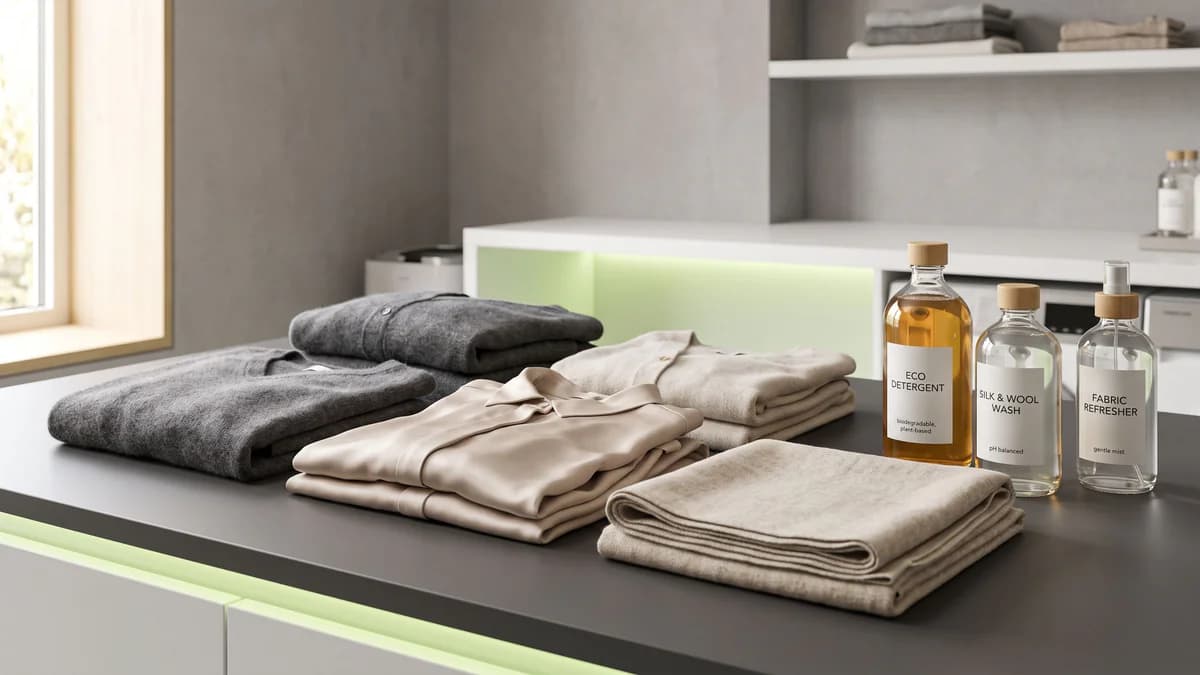
Stains on delicate fabrics: Silk, wool, cashmere, linen, and acetate require specialized handling that risks permanent damage if treated incorrectly at home.
Expensive or sentimental garments: Wedding dresses, suits, designer pieces, and heirloom clothing deserve professional care. The cost of professional cleaning is minimal compared to replacing irreplaceable items.
Stains you can't identify: If you don't know what caused the stain, professional cleaners can identify it and apply the appropriate treatment method.
Stains that have resisted home treatment: If you've tried home methods and the stain persists, professional equipment and solvents offer your best remaining chance.
Stains from difficult substances: Rust, permanent marker, oil-based paint, and other stubborn substances often require specialized solvents available only through professional dry cleaning.
Stains that are several months old: Old stains (weeks to months) have low chance of removal, and the hardest stains to remove typically involve pigments that chemically bond with fibers or oils that penetrate deeply, such as permanent marker ink, rust, red wine, curry, and old oil-based paint.
Houston's Dry Cleaning Solution
For busy Houston professionals, families, and students dealing with stubborn stains, professional help is just around the corner. WashMaxx has three convenient Houston locations: Post Oak (13825 S Post Oak Rd), Bissonnet (7243 Bissonnet St Ste B-1), and Bellerive (7305 Bellerive Dr). All locations are open 7 AM to 10 PM daily, making it easy to drop off your stained garments before or after work.
Beyond dry cleaning, WashMaxx's wash and fold service and pickup and delivery options mean you don't have to waste time dealing with stains at all. Our team handles the stain removal expertise so you can focus on what matters. For items that need specialized attention, our professional cleaners can assess the stain, determine the best removal method, and often save garments that seem beyond hope.
Prevention is Always Better Than Cure
While professional help exists for set-in stains, prevention remains your best strategy:
- Treat stains immediately, within minutes if possible
- Blot, don't rub
- Use cold water for initial treatment
- Identify the stain type before applying any treatment
- Never apply heat until you're certain the stain is completely gone
- Store soiled clothes in a dry location (not in a humid hamper for weeks)
- Consider professional cleaning for valuable items even before stains appear
The Bottom Line
Set-in stains are a different beast entirely from fresh spills, and treating them requires understanding the chemistry of oxidation and fabric bonding. While some set-in stains respond to careful home treatment with oxygen bleach or specialized products, many require professional expertise to prevent permanent damage.
The key question isn't always "Can I remove this stain myself?" but rather "Is this garment worth the risk?" For delicate fabrics, expensive items, or stains that have resisted home treatment, professional dry cleaning offers your best chance of success. For Houston residents, that expertise is conveniently available at WashMaxx's three locations throughout the city.
Don't let a stubborn stain ruin a favorite piece. Whether you choose to tackle it at home or bring it to professionals, the sooner you act, the better your chances of success.
Ready to get expert help with a stubborn stain? Visit us at any of our three Houston locations today, or take advantage of our convenient pickup and delivery service. Let our experienced team save your favorite clothes.
Explore Our Laundry ServicesReady to skip the laundry
Drop it off, we’ll handle it.
Houston’s premier washateria with three convenient locations. Self-service, wash & fold, or pickup & delivery.
Related Articles