How to Remove Stubborn Stains from Clothes: Complete Guide to Common Stain Types
Master wine stain removal and 10+ other common stain types including grass, blood, and grease. Learn timing-critical techniques, fabric-specific tips, and when professional dry cleaning saves your clothes.

Stain removal doesn't have to feel like a losing battle. Whether you're dealing with wine stain removal from a fresh spill, a grass stain from weekend soccer, or mysterious marks that have been sitting in your closet for weeks, understanding the science behind different stain types transforms you from frustrated to confident. The key isn't memorizing endless tricks, but rather learning how to identify what you're dealing with and applying the right technique at the right time.
Understanding the Three Main Stain Categories
Before you treat any stain, you need to understand what you're fighting. Every common stain falls into one of three categories: protein, oil, or tannin. Once you identify which category you're dealing with, the method becomes logical, not memorised.
Protein-based stains include foods like egg, dairy, blood, and sweat, which contain proteins that coagulate with heat, making them tricky to remove without proper chemistry. Oil and grease stains from butter, cooking oil, lotion, and fingerprint oils trap dirt and attract grime, binding tightly to synthetic fibers such as nylon and polyester. Tannin stains from coffee, tea, wine, and fruit juices contain tannins that can darken fibers quickly and require acid-based or enzymatic treatments to neutralize.
Understanding these categories helps you avoid the most common mistake: using the wrong method on the wrong stain, according to Dlionline. Using the wrong method doesn't just fail to remove the stain. It can push it deeper into the fibers, concentrate it, or cause it to bond in new ways that make professional cleaning impossible.
Wine Stain Removal: Acting Fast Matters
Wine stains represent one of the most common, and most stressful, laundry emergencies, according to Rd. Red wine's color is completely natural, and the grape-based beverage contains chromogens, the primary substance in many colorful plants responsible for dyes. Red wine is essentially a giant bottle of dye molecules, and combined with red wine's naturally occurring tannins, an organic substance also used in many ink productions, your red wine stain is essentially a DIY tie-dye experiment gone wrong.
The most critical factor with wine stain removal is timing. The longer you wait, the deeper these compounds sink into the fabric. Time is absolutely not on your side here. Every single method works better when you catch the stain immediately.
Step 1: Blot, Don't Rub
Do not scrub the stain. Scrubbing will help pull some of the red wine out, but actually negatively impacts the stain as it causes it to spread outward even more, and if you're applying too much pressure, you're actually pushing more red wine down into the fabric. Instead, use a clean white cloth or paper towel and gently press to absorb excess liquid.
Step 2: Apply the Hydrogen Peroxide Solution
Mix about 3 parts hydrogen peroxide and 1 part dishwashing liquid, then apply to your red wine stain, according to Drmattlynch. Let it sit for a while (think 20 minutes to an hour) to do its magic. Then, blot clean before attempting to fully wash out the mixture. This method has proven remarkably effective on white and light-colored fabrics.
Step 3: Rinse and Launder
Rinse thoroughly with cold water, then machine wash according to the garment's care label. Do not apply heat. The last thing you want is for the stain to dry, but even worse is if the stain dries when hot air is applied. Heat will actually change the chemical process the stain undergoes when it dries. If you apply heat, you can expect a permanent or nearly permanent stain. So, put the hair dryer down, and for goodness sake, don't put any stained clothes in the dryer before you apply any pre-wash cleaning methods.
Grass Stains: Protein and Dye Combination
Grass stains present a unique challenge because they're both protein- and dye-based. Start with a pre-treatment solution, followed by an enzyme-based cleaner.
Step 1: Pre-treat the Stain
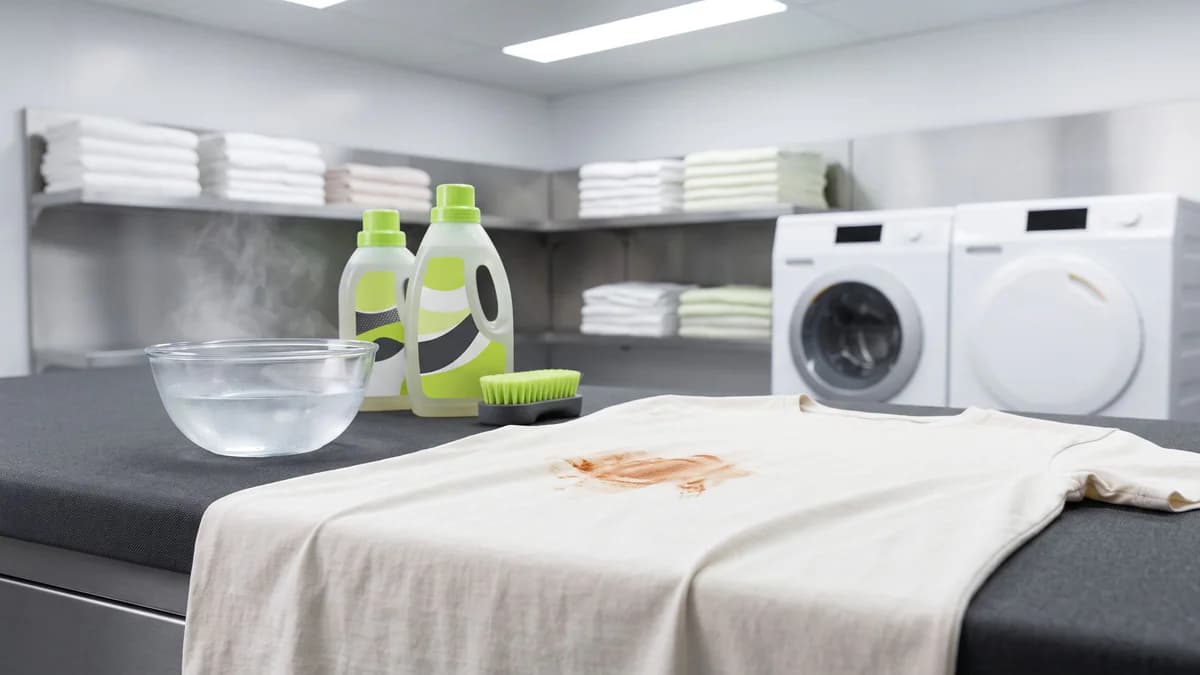
Apply a stain remover or liquid detergent directly to the grass stain and let it sit for 5-10 minutes. Gently work the product into the fabric using your fingers or a soft brush.
Step 2: Use an Enzyme Cleaner
Enzymes are biological catalysts that specifically target proteins, fats, or carbohydrates. Protease enzymes break down protein-based stains, lipase enzymes digest fats and oils, and amylase enzymes tackle starches. Look for a laundry detergent containing proteases, which will effectively break down the protein component of grass stains.
Step 3: Wash and Air Dry
Wash in the hottest water the fabric allows, then air dry to check your progress before using heat.
Blood Stains: Cold Water is Essential
Blood stains require a completely different approach than wine stains because they're protein-based, not tannin-based.
Protein stains (blood, sweat, dairy) bond tightly when exposed to heat, making hot water the enemy. Tannin stains (wine, coffee, juice) require speed and the right solvent before they oxidize and set permanently.
Step 1: Blot Fresh Blood
Use cold water and a clean cloth. Warm water can actually set protein stains, making them harder to remove.
Step 2: Apply Hydrogen Peroxide
For stubborn bloodstains, create a paste by mixing salt and cold water. Apply the paste to the bloodstain and let it sit for about 30 minutes, according to Cleaninginstitute. The salt will help draw out the blood.
Alternatively, you can try dabbing a small amount of hydrogen peroxide on the stain. Be cautious, as hydrogen peroxide can bleach some fabrics. Test it in an inconspicuous area first.
Step 3: Wash in Cold Water
Always use cold water for the wash cycle. Never use hot water until you've confirmed the stain is completely gone.
Grease and Oil Stains: Break Down the Oil
Grease stains require a fundamentally different approach because oil repels water.
Oil-based stains (butter, makeup, sunscreen) repel water, pouring water on them just spreads the problem. Instead, you need to use an emulsifier.
Step 1: Blot Excess Oil
Use a clean cloth or paper towel to absorb as much excess grease as possible.
Step 2: Apply Dish Soap
You need emulsifiers, such as dish soap or detergents, that break oil into smaller particles, allowing it to mix with water and be washed away. Apply a small amount of liquid dish soap directly to the stain and gently work it in with your fingers.
Step 3: Rinse and Wash
Rinse with warm water, then machine wash normally. Check the stain before drying, as heat can set any remaining residue.
Coffee and Tea Stains: Tannin Treatment
Coffee and tea stains are tannin-based, similar to wine, but they typically appear lighter and may respond to different treatments.
Step 1: Blot Immediately
Use a clean cloth to absorb excess liquid without rubbing.
Step 2: Apply Cold Water
Rinse with cold water first. For oil and tannin stains, use cool or cold water for pre-treatment, then follow the garment's care label for washing temperature.
Step 3: Use Oxygen Bleach or Vinegar
For coffee stains, try either an oxygen-based cleaner (safe for colors) or a solution of white vinegar and water. Oxygen bleach (labeled "color-safe bleach" or "oxygen bleach") releases oxygen that lifts stains without stripping color from fabric. Chlorine bleach is much stronger and will damage or discolor most colored fabrics.
Ink Stains: Know Your Ink Type
Ink stains are notoriously tricky because different inks require different treatments. Ink stains are not all the same, and neither are the fixes. What works on a ballpoint pen stain on your cotton work shirt can permanently damage a silk blouse.
Identifying Your Ink Type
Ballpoint pen ink is oil-based. It's thick, greasy, and hydrophobic, meaning water alone won't touch it. You need an alcohol-based solvent to break down the oil and release the dye from the fabric.
Water-based ink stains are much easier to get out of clothes because the ink is thinner and non-greasy. Examples of water-based pens include washable markers, fountain pens, gel pens and some rollerball pens.
Permanent marker ink (Sharpie and similar) uses solvent-based chemistry with resin binders designed to bond aggressively to almost any surface. This is the hardest category to remove and sometimes requires multiple treatment rounds or professional help.
Treating Water-Based Ink
If you're dealing with gel pen ink, washable marker, or fountain pen ink rather than ballpoint, this is actually your best first move. Water-based inks don't need an alcohol solvent to break them down. They respond directly to surfactant chemistry, which is exactly what quality liquid laundry detergent provides. Apply liquid laundry detergent (Tide, Persil, and Biokleen are consistently recommended) directly to the stain and work it in gently with your fingers or a soft toothbrush. Let it sit for five to ten minutes. Then rinse with cold water and check progress before deciding whether to launder or repeat.
Treating Oil-Based Ink (Ballpoint Pen)
For ballpoint pen ink, apply rubbing alcohol to a cotton ball or clean cloth, and press gently onto the stain to soak the area. Your goal here is to soak up the ink, not scrub it away. Scrubbing can accidentally push the stain further into the fibers, so focus on creating pressure and blotting instead of wiping or scrubbing.
For older stains, let the alcohol sit on the stain for five minutes before blotting. Next, rinse the stain with cold water to get out as much as you can. Flush from the back of the stain to the front so the stain doesn't move further into the fibers.
When to Call a Professional
Home treatment works reasonably well for fresh ballpoint or fountain pen ink on washable fabrics. Beyond that, you are in professional territory: The ink is permanent marker, India ink, gel pen, or printer ink. The garment has already been through the dryer. You have already tried something at home and it did not fully work.
Additional Common Stains: Quick Reference Guide
Chocolate Stains
Scrape off excess chocolate, rinse with cold water, and use a liquid detergent to break down the oils and proteins.
Tomato-Based Stains
These contain both tannins and oils. Treat with dish soap first to remove the oily component, then use a stain remover for the tannin portion.
Combination Stains
Many everyday messes are actually combination stains. For example, a spaghetti sauce stain contains oils, tomato (plant material), and possibly meat proteins, requiring multiple types of enzymes for complete removal.
Tips for Success
Always Test First
Before applying any stain treatment to a visible area, test it on an inconspicuous spot of the fabric. This prevents accidental damage or discoloration.
Act Quickly
The sooner you treat a stain, the easier it is to remove. Fresh stains are significantly easier to eliminate than set-in stains.
Check Before Heat
Never put a stained garment in the dryer or iron until you're absolutely certain the stain is gone. Heat sets stains permanently.
Use Cold Water for Pre-treatment
For most stains, cold water is your friend during pre-treatment. Hot water can set protein stains and accelerate the bonding of tannin stains.
Avoid Rubbing
Blotting is always better than rubbing. Rubbing spreads stains and pushes them deeper into fibers.
Common Mistakes to Avoid
Mistake 1: Using Hot Water on Protein Stains This bonds the protein to the fabric permanently. Always use cold water for blood, sweat, and dairy stains.
Mistake 2: Scrubbing Wine Stains This spreads the stain outward and pushes it deeper. Blot gently instead.
Mistake 3: Drying Before Confirming Removal Heat sets stains. Always air dry and inspect under good light before using the dryer.
Mistake 4: Treating All Ink Stains the Same Way Different inks require different approaches. Identify your ink type before treating.
Mistake 5: Ignoring Fabric Care Labels Delicate fabrics like silk, wool, and suede often require professional cleaning. Check the label first.
When to Seek Professional Help
Some stains are simply too stubborn or too risky for home treatment. Consider professional dry cleaning when:
- The garment is labeled "dry clean only"
- The stain involves delicate fabrics like silk, wool, or suede
- The stain has been set by heat (dryer or iron)
- You've already tried home treatment without success
- The garment is valuable or has sentimental importance
- The stain involves permanent marker, India ink, or printer ink
While dry cleaning has its limitations in stain removal, it remains an excellent choice for specific stains and delicate fabrics. Remember that acting promptly when stains occur and understanding the nature of the stain and fabric are key to achieving the best results. Dry cleaning can be a valuable ally in the battle against stains, particularly for grease and oil-based stains on delicate fabrics. However, its success depends on factors like the type of stain, fabric, and how quickly you take action.
The biggest, best and clean washateria in the area, WashMaxx offers professional wash and fold for those tough loads you'd rather leave to the experts. Our team knows how to handle everything from wine spills to ink accidents, and we can often save garments that seem beyond hope. We also offer same-day service and convenient pickup and delivery across our three Houston locations.
Conclusion
Stubborn stains don't have to mean the end of your favorite clothes. By understanding the science behind different stain types, acting quickly, and using the right technique for each situation, you can tackle most stains successfully at home. The key is remembering that one method doesn't fit all, and knowing when to reach out for professional help.
Whether you're dealing with wine stain removal from a celebration, grass marks from outdoor adventures, or mysterious marks from everyday life, you now have the knowledge to approach each challenge confidently. And when home treatment isn't enough, professional dry cleaning services can often work miracles on those stubborn stains that won't budge.
Ready to tackle your toughest stains or need expert help? WashMaxx's professional dry cleaning and wash and fold services are here to help. Visit us at one of our three convenient Houston locations (Post Oak, Bissonnet, or Bellerive), or take advantage of our pickup and delivery service. Let our experienced team handle the stains while you focus on what matters most.
If you would rather hand this work to a team, start with our wash and fold laundry service.
Schedule Pickup TodayReady to skip the laundry
Drop it off, we’ll handle it.
Houston’s premier washateria with three convenient locations. Self-service, wash & fold, or pickup & delivery.
Related Articles