Textile Care Technology: Innovations Changing the Laundry Industry
The innovations changing the laundry industry: AI, automation, smart washers, and fabric-protection technology that cut costs and extend textile life.

Textile care technology is transforming the laundry industry through advanced automation, smart cleaning systems, fabric protection innovations, and data-driven laundry management solutions. Modern technologies now improve washing efficiency, reduce water and energy consumption, enhance stain removal, extend textile lifespan, and support sustainable laundry operations. From AI-powered washing systems to RFID tracking and eco-friendly detergents, textile care innovations are helping commercial laundries, hotels, hospitals, and households achieve faster, safer, and more efficient fabric care while lowering operational costs and improving hygiene standards.
The laundry industry has evolved far beyond traditional washing and drying methods. Growing demands for efficiency, sustainability, and hygiene have encouraged businesses to adopt advanced textile care technologies that optimize every stage of fabric processing. Commercial laundries today manage massive volumes of linens, uniforms, towels, and garments, requiring intelligent systems capable of maintaining quality while improving productivity.
Industries such as hospitality, healthcare, industrial manufacturing, and retail increasingly depend on high-performance textile care systems to meet customer expectations and operational standards. Hotels require spotless linens, hospitals need hygienically sanitized fabrics, and industrial companies depend on durable uniform management systems. Advanced laundry technologies now help these industries process textiles more effectively while reducing waste and operational downtime.
The rise of smart automation, artificial intelligence, and environmentally friendly cleaning solutions has reshaped modern textile care. Businesses are investing heavily in innovative systems that combine efficiency, sustainability, and textile preservation. As digital transformation accelerates globally, textile care technology is becoming one of the most important drivers of growth and modernization in the laundry industry.
The Evolution of Textile Care Technology
Traditional laundry systems relied heavily on manual labor, basic detergents, and mechanical washing equipment. While these methods provided functional cleaning, they often lacked precision, efficiency, and sustainability. Modern textile care technology has significantly improved these processes through automation and intelligent cleaning systems.
One of the most important advancements is smart washing machine technology. Modern commercial washers use sensors, programmable controls, and AI-driven systems to optimize water usage, detergent dosing, wash cycles, and fabric treatment automatically. These systems improve cleaning consistency while reducing utility costs.
Advanced fabric analysis technologies now allow machines to detect textile types and contamination levels automatically. This enables customized wash cycles tailored to each fabric category, helping prevent damage and improve stain removal efficiency.
Key innovations in textile care technology include:
- AI-powered washing systems
- RFID textile tracking
- Automated chemical dosing
- Smart moisture detection
- Eco-friendly detergents
- Ozone laundry systems
- Heat recovery technology
RFID technology has become another major innovation in commercial laundry management. RFID tags attached to linens and uniforms allow businesses to track textiles throughout washing, drying, delivery, and storage processes. This improves inventory accuracy and reduces textile loss significantly.
Automated chemical dosing systems are also improving laundry precision. These systems measure detergent, bleach, softeners, and disinfectants automatically based on load size and textile type, reducing chemical waste and maintaining consistent wash quality.
Modern textile care systems increasingly integrate cloud-based software and analytics platforms. Managers can monitor machine performance, energy usage, textile lifespan, and operational productivity in real time from centralized dashboards.
Sustainable Innovations in Modern Laundry Systems
Sustainability has become a major focus within the textile care industry. Traditional laundry operations consume large amounts of water, electricity, and chemicals, creating environmental concerns and rising operational costs. New technologies are helping laundries reduce their environmental impact while maintaining high cleaning standards.
Water-saving systems are among the most important innovations. Advanced washers now use optimized drum movements, filtration systems, and low-water cleaning technologies to reduce water consumption significantly compared to older machines.
Ozone laundry technology is gaining popularity because it allows effective cleaning at lower temperatures. Ozone systems inject ozone gas into wash cycles, helping sanitize textiles and remove stains while reducing hot water usage and chemical dependency.
Energy-efficient drying systems are also transforming laundry operations. Smart dryers use moisture sensors and heat recovery technology to minimize energy waste while preventing over-drying that can damage fabrics.
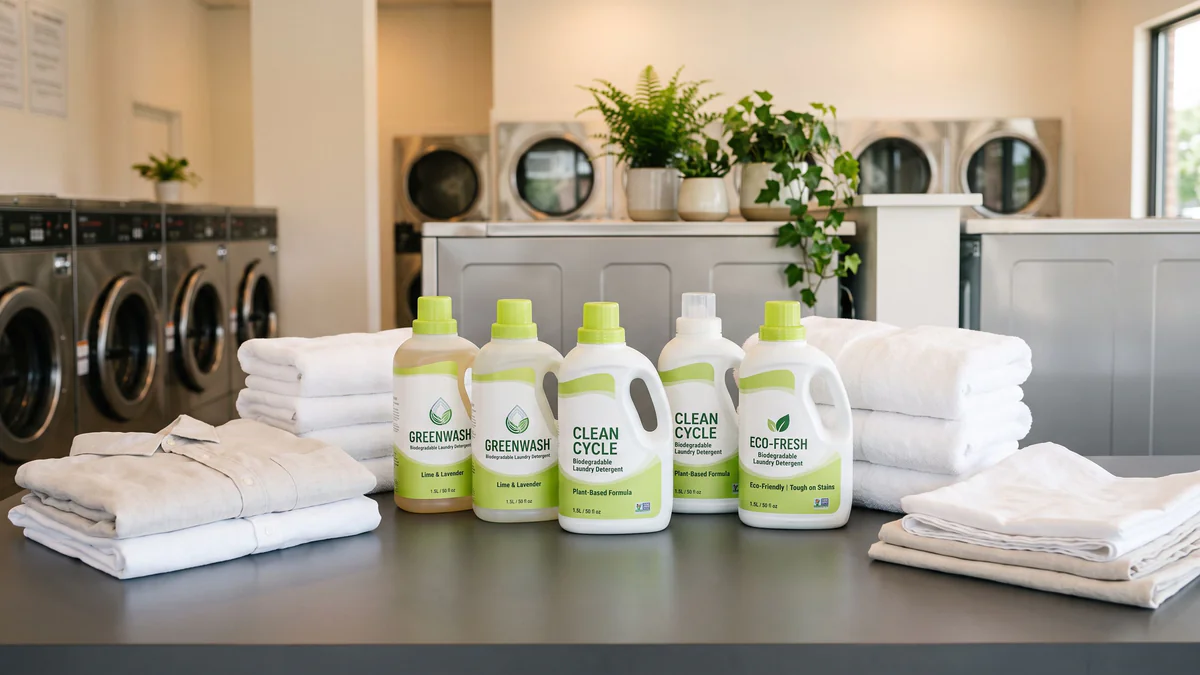
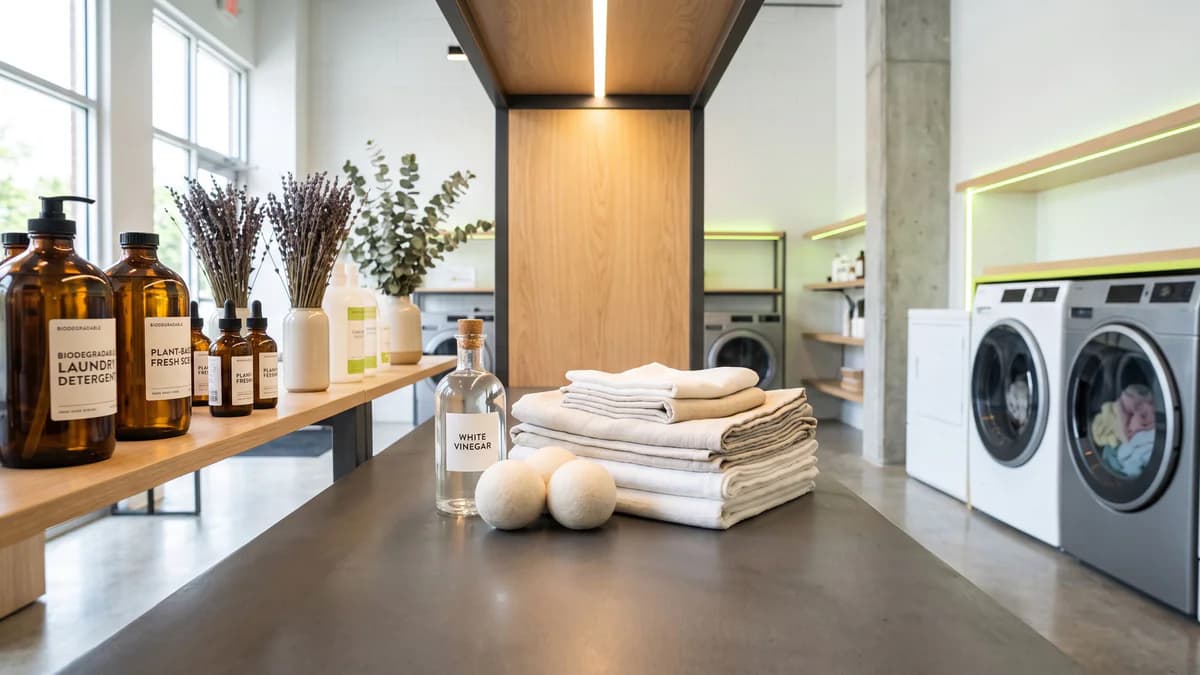
Eco-friendly detergents and biodegradable cleaning chemicals are becoming more common in both residential and commercial laundry sectors. Many modern formulations eliminate phosphates, harsh solvents, and environmentally harmful additives while still delivering strong cleaning performance.
Heat recovery systems further improve sustainability by capturing and reusing thermal energy generated during laundry processes. This reduces fuel consumption and lowers utility expenses for commercial facilities handling large textile volumes.
Textile lifespan extension is another important sustainability benefit. Gentle washing technologies, advanced detergents, and optimized drying systems reduce fabric wear, helping businesses replace linens and uniforms less frequently.
Governments and environmental organizations are also encouraging greener laundry practices through regulations and sustainability standards. Many businesses now adopt environmentally responsible textile care technologies to improve compliance and strengthen brand reputation.
Smart Automation and Artificial Intelligence in Laundry Operations
Artificial intelligence and automation are reshaping the future of textile care technology. Modern laundry systems now use intelligent software and machine learning algorithms to improve operational performance, efficiency, and predictive maintenance.
AI-powered laundry systems analyze textile load data, wash cycle performance, water consumption, and chemical usage automatically. These systems can adjust settings in real time to optimize cleaning quality while reducing operational costs.
Predictive maintenance technology is another major advancement. Smart sensors monitor machine components and identify potential equipment failures before breakdowns occur. This reduces downtime and improves the reliability of commercial laundry operations.
Robotic textile sorting systems are increasingly used in high-volume commercial laundries. These automated systems identify and separate fabrics based on color, material, or contamination type, reducing labor requirements and improving sorting accuracy.
Cloud-connected laundry management software allows businesses to monitor operations remotely. Managers can track productivity, machine efficiency, inventory levels, and maintenance schedules from mobile devices or centralized dashboards.
Artificial intelligence is also improving stain removal processes. Some advanced systems analyze stain types and automatically select the most suitable chemical treatment and wash settings for optimal cleaning performance.
Customer service and logistics are benefiting from automation as well. RFID-enabled textile tracking systems provide real-time inventory visibility, helping businesses improve delivery accuracy and reduce lost linen incidents.
As automation technologies continue advancing, commercial laundries are becoming more efficient, data-driven, and scalable. Businesses adopting intelligent textile care systems gain competitive advantages through lower operating costs, improved textile management, and higher service quality.
The Future of Textile Care Technology
The future of textile care technology is expected to focus heavily on sustainability, automation, hygiene innovation, and smart connectivity. Emerging technologies are likely to create even more efficient and environmentally responsible laundry operations across industries.
Nanotechnology is becoming an important area of research in fabric care. Nanocoatings and advanced textile treatments can make fabrics more resistant to stains, bacteria, odors, and moisture, reducing the frequency of washing and extending textile lifespan.
Self-cleaning fabrics are another developing innovation. Researchers are designing textiles with special surface technologies capable of repelling dirt and breaking down contaminants automatically under light exposure or minimal cleaning conditions.
Artificial intelligence will likely continue improving predictive analytics in laundry management. Future systems may forecast textile replacement needs, optimize energy consumption automatically, and improve supply chain planning for commercial laundries.
Internet of Things (IoT) connectivity is expected to play a larger role as well. Smart washing machines, dryers, and textile management systems will communicate with each other to create fully integrated laundry ecosystems.
Healthcare and hospitality industries are likely to increase investment in antimicrobial textile technologies and advanced sanitation systems. Hygiene-focused innovations will remain essential as businesses prioritize safety and cleanliness standards.
Automation will continue reducing manual labor dependency in commercial laundry operations. Robotics, AI sorting systems, and autonomous textile handling equipment are expected to become more widespread in large-scale facilities.
Consumer demand for eco-friendly and fabric-safe cleaning solutions will also shape future product development. Manufacturers will continue focusing on biodegradable detergents, low-water systems, and energy-efficient technologies that balance performance with environmental responsibility.
As digital transformation accelerates globally, textile care technology will continue evolving into a smarter, more sustainable, and highly automated industry that supports operational efficiency, hygiene excellence, and long-term textile preservation.
Conclusion
Textile care technology is revolutionizing the laundry industry through smart automation, sustainable cleaning systems, AI-powered management tools, and advanced fabric protection innovations. Modern technologies improve washing efficiency, reduce water and energy consumption, enhance hygiene standards, and extend textile lifespan across commercial and residential laundry operations. Industries such as healthcare, hospitality, manufacturing, and retail increasingly rely on intelligent textile care systems to improve productivity and operational performance. As sustainability and automation continue driving industry transformation, textile care technology will remain a critical force shaping the future of modern laundry management.
FAQs
What is textile care technology?
Textile care technology refers to advanced systems and innovations used in laundry and fabric management to improve cleaning efficiency, fabric protection, sustainability, and operational automation.
How does AI improve laundry operations?
AI-powered laundry systems optimize wash cycles, chemical dosing, water usage, and machine performance automatically, helping businesses improve efficiency and reduce operational costs.
What are the benefits of RFID textile tracking?
RFID tracking improves inventory accuracy, reduces textile loss, enables real-time monitoring, and streamlines linen and uniform management in commercial laundries.
Why is sustainability important in modern textile care?
Sustainable laundry technologies reduce water usage, energy consumption, chemical waste, and textile replacement frequency, helping businesses lower costs and minimize environmental impact.
What industries use advanced textile care technology?
Hospitals, hotels, commercial laundries, industrial facilities, restaurants, fitness centers, and retail textile services commonly use advanced textile care technologies for efficient fabric management.
Ready to skip the laundry
Drop it off, we’ll handle it.
Houston’s premier washateria with three convenient locations. Self-service, wash & fold, or pickup & delivery.
Related Articles