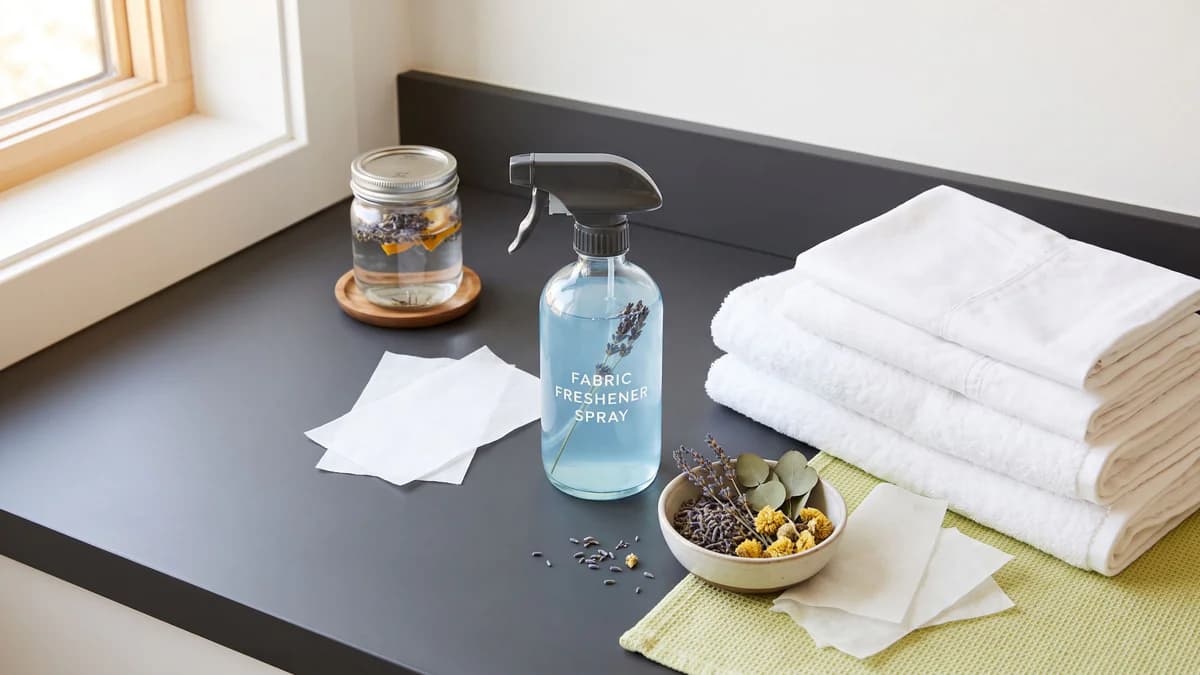
Natural Fabric Softener Alternatives: DIY Recipes & Eco-Friendly Swaps That Actually Work
Discover sustainable, cost-effective fabric softener alternatives like white vinegar, wool dryer balls, and DIY recipes that soften clothes naturally without harsh chemicals.
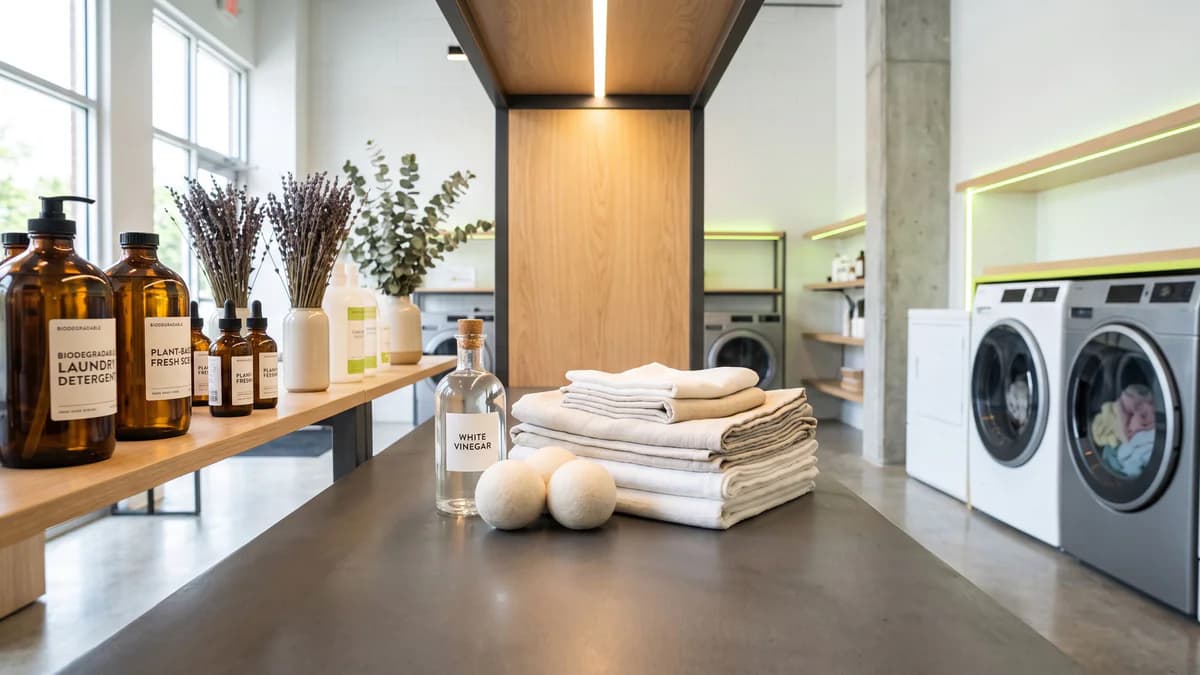
Traditional fabric softeners come with a hidden cost that goes beyond what you pay at the checkout. Many conventional products contain harmful chemicals like quats, phthalates, and parabens that can irritate skin, harm aquatic ecosystems, and linger in your home's air long after laundry day ends. The good news? An eco-friendly dryer paired with natural fabric softener alternatives can deliver the soft, fresh-smelling clothes you love without the environmental guilt or chemical exposure. Whether you're looking to protect sensitive skin, reduce your carbon footprint, or simply save money, these proven natural alternatives work just as well as their chemical-laden counterparts.
Why Switch from Traditional Fabric Softeners?
Before diving into solutions, it's worth understanding why so many people are ditching conventional fabric softeners. Traditional products coat your clothes with synthetic chemicals designed to reduce static and add fragrance, but they come with real downsides. These chemicals can build up on fabrics over time, actually reducing absorbency in towels and athletic wear. They're also tough on the environment, persisting in waterways long after they leave your washing machine.
Research shows that many conventional fabric softeners contain phthalates and parabens that accumulate in household dust and can affect indoor air quality, according to Thecommons. For families with allergies, asthma, or sensitive skin, these products often trigger reactions rather than solve laundry problems. Natural fabric softener alternatives eliminate these concerns while delivering results that actually rival (and often exceed) what commercial products offer.
The shift toward eco-friendly fabric softening isn't just better for your health and the planet, according to Trvst. It's also more affordable. Most natural alternatives cost pennies per load compared to the dollars you'll spend on commercial softeners over a year.
The Best Natural Fabric Softener Alternatives
White Vinegar: The Budget-Friendly Powerhouse
White vinegar works by breaking down mineral deposits and soap residue that make clothes stiff, naturally softening fabrics without leaving a chemical coating. The best part? It costs less than a dollar per bottle and lasts for dozens of loads.
White vinegar also acts as a natural deodorizer and can help remove stubborn odors from gym clothes or towels, according to Branchbasics. The vinegar smell dissipates completely once clothes dry, so don't worry about your laundry smelling like a salad.
How to use it: Add 1/2 to 1 cup of white vinegar to the fabric softener dispenser (or rinse cycle) of your washing machine. For hand-washing delicate items, dilute 1 tablespoon of vinegar in 1 quart of water.
Wool Dryer Balls: Physical Softening That Works
Wool dryer balls work through physical action rather than chemical coating, tumbling through your clothes to separate fibers and reduce wrinkles naturally. Unlike fabric softeners that build up on fabric over time, wool dryer balls actually improve absorbency in towels and maintain the integrity of delicate fabrics.
These reusable balls typically last for years, making them one of the most cost-effective solutions available. A set of 4-6 balls costs $10-20 and can handle hundreds of loads.
How to use them: Toss 4-6 wool dryer balls into your dryer along with damp clothes. Run on medium to high heat depending on your fabric type. For extra fragrance, add 2-3 drops of essential oil to each ball before drying.
Baking Soda: The Softening Odor Eliminator
Baking soda is a laundry multi-tasker that softens clothes, neutralizes odors, and brightens whites all at once. It's gentler than vinegar for some fabrics and works beautifully in combination with other natural softeners.
How to use it: Add 1/2 cup of baking soda directly to your wash cycle along with regular detergent. For extra softening power, combine it with white vinegar (add baking soda to the wash, vinegar to the rinse cycle). Never mix them in the same compartment, as they'll neutralize each other's benefits.
Essential Oil-Enhanced Alternatives
If you love the fresh scent that commercial fabric softeners provide, natural essential oils offer the same benefit without synthetic fragrance chemicals. Lavender, lemon, and eucalyptus are popular choices that also provide mild antimicrobial properties.
How to use them: Add 2-3 drops of your favorite essential oil to wool dryer balls before each load, or mix 10-15 drops into a cup of white vinegar and use as directed above. This creates a custom, eco-friendly fabric softening solution tailored to your preferences.
DIY Homemade Fabric Softener Recipes
Simple Vinegar and Baking Soda Spray
This basic recipe combines two pantry staples into an effective fabric softener that works in both washing machines and for hand-washing.
Ingredients:
- 1 cup white vinegar
- 1 tablespoon baking soda
- 2 cups water
- 10 drops essential oil (optional)
Instructions:
- Pour white vinegar into a spray bottle
- Add baking soda slowly (it will fizz)
- Once fizzing stops, add water and essential oil if desired
- Shake well before each use
- Spray lightly on clothes before drying, or add 1/2 cup to the rinse cycle
This recipe costs under $1 to make and lasts for multiple loads.
Vegetable Glycerin Softener
For a creamier texture that more closely mimics commercial softeners, vegetable glycerin creates a luxurious DIY solution that's still completely natural.
Ingredients:
- 2 cups water
- 2 tablespoons vegetable glycerin
- 15-20 drops essential oil
- 1 tablespoon baking soda (optional, for extra softening)
Instructions:
- Combine water and vegetable glycerin in a jar
- Add essential oil drops and shake vigorously
- Let sit for 24 hours for oils to fully incorporate
- Shake before each use
- Add 1/4 to 1/2 cup to the fabric softener dispenser or rinse cycle
Store in a cool, dark place for up to 3 months.
No-Cook Vinegar and Conditioner Mix
This unusual but highly effective recipe uses hair conditioner (yes, really) to create a fabric softener that rivals commercial products in performance.
Ingredients:
- 1 cup white vinegar
- 1 tablespoon hair conditioner (any inexpensive brand works)
- 2 cups water
- Essential oil (optional)
Instructions:
- Mix vinegar and conditioner in a bowl until fully blended
- Add water and stir thoroughly
- Pour into a container with a lid
- Add essential oil if desired
- Shake well before each use
- Add 1/2 cup to the rinse cycle or fabric softener dispenser
The conditioner adds slip and softness while the vinegar removes mineral buildup, creating a balanced solution.
Tips for Success with Natural Fabric Softeners
Start with the right water temperature: Hot water can reduce the effectiveness of some natural softeners, according to Sustainablejungle. Warm or cool water works best for preserving softness while also saving energy with an eco-friendly dryer.
Don't overload your machine: Crowded loads prevent softening solutions from reaching all fabrics evenly. Wash smaller batches for better results.
Use distilled water if you have hard water: Hard water minerals can interfere with natural softeners. If you notice reduced effectiveness, this is likely the culprit.
Combine methods for best results: Using wool dryer balls in the dryer plus vinegar in the rinse cycle delivers superior softness compared to either method alone.
Test on delicate fabrics first: While natural softeners are gentler than chemical alternatives, always test on hidden areas of delicate items before treating entire garments.
Store DIY recipes properly: Keep homemade softeners in glass or plastic containers away from direct sunlight. Most recipes last 2-3 months before essential oils lose potency.
Common Mistakes to Avoid
Using too much vinegar: More isn't better. Excess vinegar can leave residue and actually make clothes stiff. Stick to the recommended 1/2 to 1 cup per load.
Mixing vinegar and baking soda in the wash: While they work great together, mixing them in the same cycle neutralizes their benefits. Use vinegar in the rinse cycle and baking soda in the wash cycle for maximum effectiveness.
Forgetting to shake homemade recipes: Essential oils separate from water over time. Always shake thoroughly before use to ensure even distribution.
Using wool dryer balls on delicate cycles: While wool balls are gentle, they work best on regular and heavy cycles where they have room to tumble freely. For delicates, stick with vinegar or baking soda in the wash.
Not allowing time for DIY recipes to set: Homemade fabric softeners need 24 hours for ingredients to fully combine and essential oils to disperse. Patience pays off with better results.
Ignoring fabric type: Heavy fabrics like towels and jeans benefit from wool dryer balls, while delicate silks and lingerie respond better to vinegar or baking soda solutions.
Which Method Works Best for Different Fabrics?
Towels and heavy fabrics: Wool dryer balls excel here, improving absorbency while softening. Add 5-6 balls to each load.
Delicate silks and lingerie: White vinegar is your best choice. Use the diluted hand-wash method to avoid any potential damage.
Athletic wear and moisture-wicking fabrics: Avoid fabric softeners entirely (natural or commercial) as they reduce performance. Use baking soda alone in the wash cycle instead.
Everyday cotton and blends: Any method works, but combining wool dryer balls with vinegar in the rinse cycle delivers premium results.
Bedding and sheets: Vinegar in the rinse cycle plus wool dryer balls creates perfectly soft, fresh-smelling sheets without chemical buildup.
Making the Switch: Your Action Plan
Starting with natural fabric softener alternatives doesn't require overhauling your entire routine. Here's how to transition smoothly:
-
Week 1: Try wool dryer balls for one load. Notice the difference in softness and static reduction.
-
Week 2: Add white vinegar to your rinse cycle for a second load. Compare results.
-
Week 3: Make a batch of your favorite DIY recipe from the recipes above.
-
Week 4: Commit to one method as your primary softener and stick with it for a month to see full benefits.
Most people notice improved results after 3-4 loads as natural softeners remove chemical buildup from previous commercial products. Your clothes will feel softer, smell fresher, and last longer without the coating that shortens fabric life.
The Environmental and Health Impact of Your Choice
Switching to natural fabric softener alternatives removes harmful chemicals from your home and the water system. Every load you wash with vinegar, baking soda, or wool dryer balls instead of commercial softeners means:
- Fewer synthetic chemicals entering waterways
- Reduced air pollution from manufacturing and shipping
- Less plastic packaging in landfills
- Healthier indoor air quality for your family
- Lower water treatment costs in your community
For families with sensitive skin or children, the health benefits are immediate. No more itching, rashes, or respiratory irritation from fragrance chemicals. Your clothes will feel genuinely softer because they're actually softer, not coated with silicone.
Conclusion
Natural fabric softener alternatives deliver real results without compromising your values or your family's health. Whether you choose the simplicity of white vinegar, the reusability of wool dryer balls, the versatility of baking soda, or a custom DIY recipe, you're making a choice that benefits your clothes, your home, and the planet.
The best part? These alternatives cost a fraction of what you're currently spending on commercial softeners. Most families save $50-100 annually while getting better results and eliminating chemical exposure.
Ready to transform your laundry routine? Start with one method this week and experience the difference that natural softening makes. When you're ready to take your eco-friendly laundry even further, WashMaxx offers modern, sustainable facilities with energy-efficient machines perfect for your green laundry journey. Visit one of our three Houston locations (Post Oak, Bissonnet, or Bellerive) to experience the biggest, best and clean washateria in the area. Our team is here to support your commitment to sustainable laundry practices.
If you would rather hand this work to a team, start with our wash and fold laundry service.
Get Started TodayReady to skip the laundry
Drop it off, we’ll handle it.
Houston’s premier washateria with three convenient locations. Self-service, wash & fold, or pickup & delivery.
Related Articles