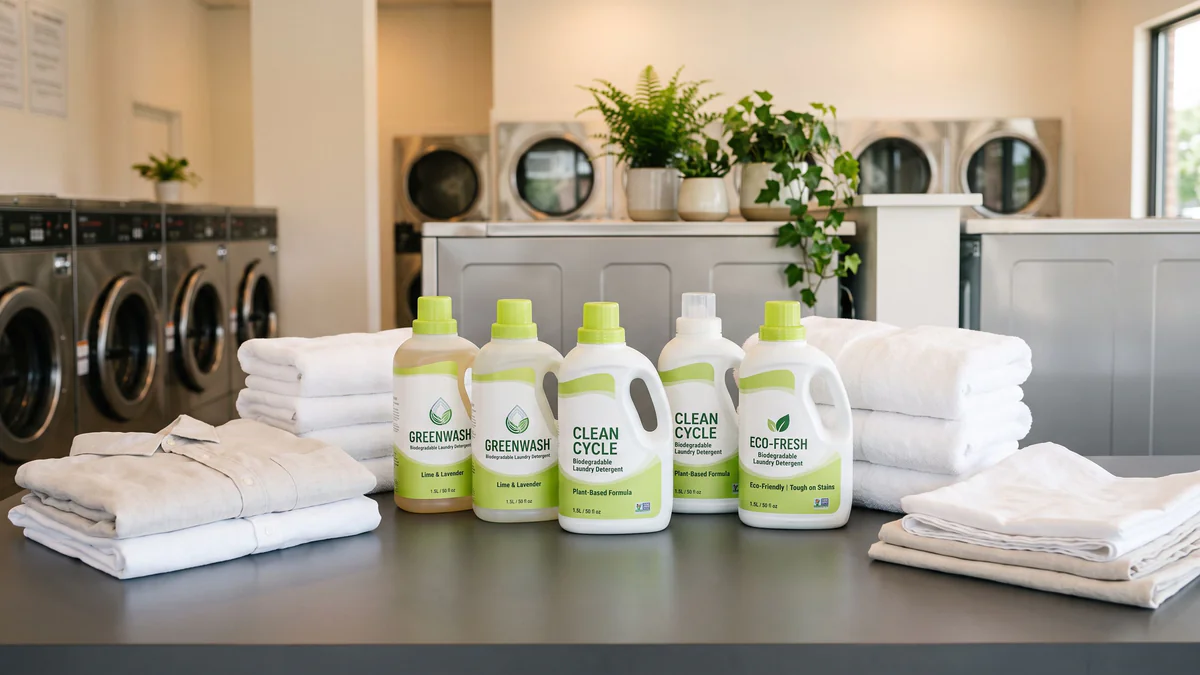
Hypoallergenic Laundry Detergent: Safe Cleaning for Sensitive Skin
How hypoallergenic laundry detergents protect sensitive skin: what to look for, common irritants to avoid, and tips for babies and eczema-prone skin.

Hypoallergenic laundry detergent is specially formulated to clean clothes without harsh chemicals, artificial fragrances, or irritants that can trigger skin allergies, eczema, or sensitivity. It is considered one of the safest choices for babies, people with sensitive skin, and households looking for gentle fabric care. These detergents remove dirt and stains while reducing exposure to allergens commonly found in traditional laundry products. Choosing a high-quality hypoallergenic detergent can help minimize itching, redness, dryness, and skin discomfort caused by chemical residues left on clothing and bedding.
Sensitive skin problems linked to laundry products have become increasingly common. Many regular detergents contain dyes, sulfates, strong perfumes, and preservatives that may irritate the skin after repeated exposure. Clothing, towels, bedsheets, and baby garments remain in direct contact with the body for long periods, making detergent selection an important part of skin care and household hygiene.
Hypoallergenic laundry detergents are designed to lower the risk of allergic reactions. Most formulas are dermatologist-tested and free from aggressive additives. They are especially beneficial for families with children, people with eczema, asthma sufferers, and individuals with fragrance sensitivities. In many regions, including large urban areas where pollution and dust levels are high, gentle detergents are becoming a preferred option for healthier living.
The growing demand for skin-safe cleaning solutions has also increased awareness about safer laundry practices. Consumers now search for detergents that not only clean effectively but also protect skin health, preserve fabric quality, and support eco-friendly lifestyles. This shift has encouraged manufacturers to create advanced formulas that combine stain-fighting performance with skin protection.
What Makes a Laundry Detergent Hypoallergenic?
A hypoallergenic laundry detergent is developed with ingredients that are less likely to cause allergic reactions. Unlike conventional detergents, these products avoid unnecessary additives that may irritate the skin. Their formulas are simplified and balanced to provide effective cleaning while remaining gentle on fabrics and the human body.
Most hypoallergenic detergents are free from:
- Artificial fragrances
- Synthetic dyes
- Chlorine bleach
- Harsh sulfates
- Phosphates
- Optical brighteners
- Strong preservatives
These detergents focus on mild surfactants and safer cleaning agents that remove stains without leaving harmful residues on fabric fibers. Since detergent residue can remain even after rinsing, choosing a gentle formula is essential for people with chronic skin irritation.
Dermatologists often recommend hypoallergenic detergents for patients dealing with eczema, psoriasis, contact dermatitis, or allergic skin reactions. Babies also benefit from these products because infant skin is thinner and more sensitive than adult skin. Using fragrance-free detergents can reduce irritation around the neck, arms, legs, and diaper areas where clothing frequently rubs against the skin.
Another important factor is the absence of strong perfumes. Many people assume fresh-smelling clothes indicate cleanliness, but synthetic fragrances are among the leading causes of laundry-related skin irritation. Hypoallergenic formulas clean fabrics effectively without overwhelming scents.
Modern hypoallergenic detergents are available in liquid, powder, pod, and concentrated forms. Liquid detergents are often preferred because they dissolve easily in water and leave fewer residues behind. High-efficiency washing machines also work well with concentrated hypoallergenic formulas because they produce lower sud levels and rinse more effectively.
Benefits of Using Hypoallergenic Laundry Detergent
One of the biggest advantages of hypoallergenic detergent is skin protection. Regular exposure to irritating chemicals may weaken the skin barrier over time, causing dryness, itchiness, redness, and inflammation. A gentle detergent helps reduce these issues while maintaining clothing cleanliness.
People with allergies often notice improvements after switching to fragrance-free and dye-free laundry products. Bed sheets, pillow covers, and blankets washed with hypoallergenic detergent can create a more comfortable sleeping environment. This is particularly important for individuals who suffer from nighttime itching or skin flare-ups.
Another major benefit is fabric preservation. Harsh detergents can damage textile fibers, fade colors, and weaken fabrics after repeated washing. Hypoallergenic detergents are usually gentler on materials, helping clothes remain soft and durable for longer periods.
Households with babies frequently choose hypoallergenic detergents because infant clothing requires extra care. Baby garments, blankets, and towels come into direct contact with delicate skin, making chemical-free cleaning a safer option. Many pediatricians recommend fragrance-free detergents during the early years of childhood.
These detergents are also beneficial for people with respiratory sensitivities. Strong scents and chemical fumes from conventional laundry products may trigger headaches, sneezing, or breathing discomfort. Unscented hypoallergenic detergents reduce airborne irritants inside the home.
Eco-conscious consumers are increasingly attracted to hypoallergenic products because many brands now use biodegradable ingredients and environmentally friendly packaging. This supports sustainable living while reducing chemical pollution in wastewater systems.
The demand for safer detergents has expanded significantly in metropolitan areas where consumers are more aware of health-focused products. Families living in warm and humid climates often wash clothes frequently, increasing skin exposure to detergent residue. A gentle laundry solution becomes even more important under these conditions.
How to Choose the Best Hypoallergenic Laundry Detergent
Selecting the right hypoallergenic detergent requires careful attention to ingredients, certifications, and fabric compatibility. Many products claim to be gentle, but not all meet true hypoallergenic standards. Reading product labels is essential before making a purchase.
Look for detergents labeled as:
- Fragrance-free
- Dye-free
- Dermatologist-tested
- Sensitive skin safe
- Allergy-friendly
Products certified by dermatology associations or allergy organizations often provide greater reliability. These certifications indicate the detergent has undergone testing for skin safety and reduced allergenic potential. Consumers should also consider washing machine compatibility. High-efficiency washers require low-sudsing formulas to function properly. Using the wrong detergent may leave excess residue on fabrics, which can still irritate sensitive skin.
Water quality plays an important role as well. In regions with hard water, mineral buildup can reduce detergent effectiveness and leave deposits on clothing. Some hypoallergenic detergents are specially formulated to work efficiently in hard water conditions. Liquid formulas are usually recommended for sensitive skin because they dissolve more completely during wash cycles. Powder detergents may leave particles trapped in clothing fibers if not properly rinsed. Double-rinse washing cycles can further help remove detergent residue.
People with severe allergies should avoid scented products even if they are marketed as natural or botanical. Essential oils and plant-based fragrances can still trigger reactions in highly sensitive individuals. Truly fragrance-free options are often the safest choice.
Testing a detergent on a small batch of clothes before full household use is another practical step. This helps determine whether the product causes irritation or performs effectively on different fabrics.
Hypoallergenic Detergent and Modern Laundry Trends
The laundry industry has evolved rapidly with increasing consumer awareness about health, wellness, and sustainability. Hypoallergenic detergents are no longer niche products limited to medical recommendations. They have become mainstream choices for families seeking safer household solutions. Modern consumers now prioritize ingredient transparency.
They want to know what goes into cleaning products and how those ingredients affect skin health, indoor air quality, and the environment. As a result, detergent manufacturers are reformulating products to eliminate unnecessary chemicals while maintaining cleaning performance.
Smart laundry technology has also contributed to the rise of specialized detergents. Advanced washing machines use optimized water levels, temperature controls, and rinse systems that improve the performance of gentle detergents. This allows hypoallergenic formulas to clean efficiently without relying on harsh chemicals.
The rise of eco-friendly living has further accelerated demand. Many hypoallergenic detergents now feature biodegradable surfactants, recyclable packaging, and plant-based cleaning agents. These products appeal to consumers looking for safer alternatives that align with sustainable lifestyles. Online shopping and digital product research have made it easier for customers to compare ingredients, read reviews, and select detergents based on specific skin concerns.
Search trends show growing interest in keywords related to sensitive skin laundry care, baby-safe detergents, and fragrance-free household products. Hotels, healthcare facilities, daycare centers, and wellness-focused businesses are also adopting hypoallergenic detergents to provide safer textile care for guests and clients. Clean linens washed with gentle detergents can improve customer comfort and reduce complaints related to skin irritation.
As awareness continues to grow, hypoallergenic detergents are expected to remain a strong segment within the global laundry care market. Consumers increasingly recognize that fabric cleanliness should not come at the expense of skin health.
Conclusion
Hypoallergenic laundry detergent offers a safer and gentler approach to fabric cleaning for people with sensitive skin, allergies, and fragrance sensitivities. By avoiding harsh chemicals, artificial dyes, and strong perfumes, these detergents help reduce irritation while maintaining effective stain removal and fabric care. They are ideal for babies, families, and anyone seeking healthier laundry habits. With growing awareness of skin-safe and eco-friendly cleaning solutions, hypoallergenic detergents have become an essential choice for modern households focused on comfort, hygiene, and long-term well-being.
FAQs
What is the difference between hypoallergenic and regular laundry detergent?
Hypoallergenic laundry detergent is made without harsh chemicals, strong fragrances, and dyes that commonly cause skin irritation. Regular detergents often contain synthetic additives that may trigger allergies or sensitivity reactions in some people.
Is hypoallergenic laundry detergent safe for babies?
Yes, hypoallergenic detergent is widely considered safe for baby clothes, blankets, and bedding because it is gentler on delicate skin. Many pediatricians recommend fragrance-free and dye-free detergents for infants.
Can hypoallergenic detergent remove tough stains effectively?
Modern hypoallergenic detergents are designed to clean efficiently while remaining gentle on skin. Many formulas can remove common stains, dirt, and odors without using aggressive chemicals.
Should people with eczema use hypoallergenic laundry detergent?
People with eczema often benefit from hypoallergenic detergents because these products reduce exposure to irritants that may worsen itching, dryness, or inflammation. Dermatologists frequently recommend fragrance-free laundry products for eczema-prone skin.
Are hypoallergenic laundry detergents environmentally friendly?
Many hypoallergenic detergents use biodegradable ingredients and eco-friendly packaging, making them safer for both skin and the environment. However, consumers should still check labels to confirm sustainability certifications and ingredient transparency.
Learn more about wash and fold laundry service.
Ready to skip the laundry
Drop it off, we’ll handle it.
Houston’s premier washateria with three convenient locations. Self-service, wash & fold, or pickup & delivery.
Related Articles