High Efficiency Washers: A Smart Choice for Modern Laundry
Why high efficiency washers are a smart choice: less water, detergent, and energy per load with excellent cleaning power for modern households.

Laundry technology has evolved significantly over the years, and one of the biggest innovations in the industry is the development of high efficiency washers. These washing machines are designed to use less water, less detergent, and less energy while still delivering excellent cleaning performance. As utility costs continue to rise and environmental awareness grows, more households and commercial laundry businesses are shifting toward high efficiency laundry systems.
High efficiency washers are commonly recognized by the “HE” label, which indicates that the machine has been engineered to maximize washing performance while minimizing resource consumption. Unlike traditional top-load machines that fill the drum completely with water, HE washers use advanced drum movement, spray systems, and optimized wash cycles to clean clothes effectively with much lower water levels. This not only reduces water usage but also decreases drying time because clothes retain less moisture after the spin cycle.
For homeowners, laundromats, hotels, and commercial laundry facilities, investing in high efficiency washers can result in long-term savings and improved operational efficiency. Understanding how these machines work, their benefits, maintenance requirements, and potential drawbacks can help consumers make informed decisions before purchasing.
How High Efficiency Washers Work
High efficiency washers operate differently from conventional washing machines. Traditional washers usually rely on a central agitator and large amounts of water to clean fabrics. In contrast, HE washers use specially designed wash motions combined with concentrated detergent action to remove dirt and stains more effectively.
Front-load HE washers tumble clothes through a small amount of water, allowing garments to rub gently against each other. This motion helps loosen dirt without requiring excessive water. High efficiency top-load washers may use impellers instead of agitators, creating strong water currents that move clothes efficiently throughout the drum. These systems improve cleaning while reducing fabric damage over time.
One important feature of high efficiency washers is their advanced spin cycle technology. HE machines spin at much higher speeds compared to traditional washers. This extracts more water from clothing before the drying process begins, significantly reducing drying time and electricity consumption. As a result, users save both time and energy during each laundry cycle.
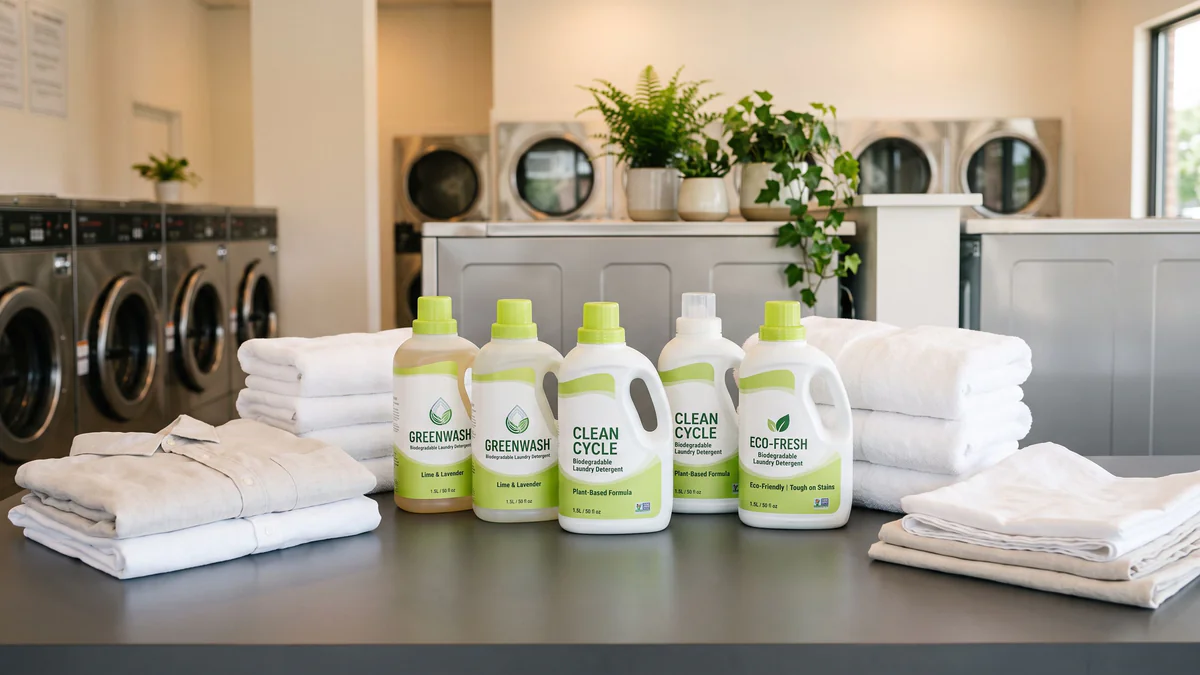
Another critical aspect is detergent compatibility. HE washers require specially formulated HE detergents that produce fewer suds. Excessive foam can interfere with the machine’s cleaning system and reduce washing performance. Using the correct detergent ensures optimal efficiency and prevents residue buildup inside the machine.
Modern high efficiency washers also include smart sensors and programmable settings. These features automatically detect load size, fabric type, and soil level to adjust water usage and cycle duration accordingly. Such automation helps improve cleaning performance while preventing unnecessary waste of resources.
According to the U.S. Department of Energy, energy-efficient appliances such as HE washers can significantly reduce household energy and water consumption when compared with older standard machines.
Benefits of Using High Efficiency Washers
One of the biggest advantages of high efficiency washers is reduced water consumption. Traditional washing machines may use over 40 gallons of water per load, while many HE washers use less than half that amount. This reduction is especially beneficial in regions where water conservation is important or utility costs are high.
Energy savings are another major benefit. Since HE washers use less hot water and remove more moisture during the spin cycle, dryers consume less electricity or gas afterward. Over time, this can noticeably lower monthly utility bills for both residential and commercial users.
High efficiency washers are also gentler on clothing. The absence of aggressive agitators in many HE models reduces wear and tear on fabrics. Clothes maintain their texture, elasticity, and color for longer periods, which is particularly valuable for delicate garments and expensive fabrics.
These machines typically offer larger drum capacities as well. Users can wash bulky items such as blankets, comforters, and large laundry loads more efficiently. Larger capacities reduce the number of cycles needed each week, saving additional time and resources.
Another benefit is improved cleaning technology. Many HE washers feature steam cleaning, allergen removal cycles, stain treatment settings, and advanced rinse systems. These technologies help remove bacteria, dirt, and detergent residue more effectively than many traditional machines.
For businesses such as hotels, hospitals, and laundromats, high efficiency washers provide operational advantages. Reduced water and energy consumption can substantially decrease operating costs. Additionally, faster drying times improve workflow efficiency and increase overall productivity.
The ENERGY STAR program states that certified high efficiency washers use approximately 25% less energy and 33% less water compared to standard washers.
Common Challenges and Maintenance Tips
Although high efficiency washers provide many benefits, users may experience certain challenges if the machines are not used properly. One common issue is odor buildup caused by moisture retention inside the drum or rubber seals. Because HE washers use less water, detergent residue and trapped moisture can sometimes create mold or mildew odors if regular cleaning is neglected.
To prevent these problems, users should leave the washer door slightly open after each cycle to allow proper airflow. Regularly cleaning the detergent dispenser, drum, and rubber gasket also helps maintain hygiene and performance. Many modern HE washers include self-cleaning cycles specifically designed for maintenance purposes.
Using the wrong detergent is another frequent mistake. Standard detergents create excessive suds that can damage washing efficiency and lead to residue accumulation inside the machine. Always using HE-labeled detergent in the recommended amount is essential for proper operation.
Some users initially feel that HE washers take longer to complete wash cycles compared to conventional machines. This is because many HE models use optimized wash patterns and sensor-based adjustments to improve cleaning performance while conserving resources. Although cycle duration may be longer, the overall energy and water savings often outweigh the additional time.
Maintenance also includes checking hoses, filters, and drainage systems regularly. Proper maintenance ensures long machine life and prevents costly repairs. Commercial laundry operators especially benefit from scheduled inspections and professional servicing to maximize equipment efficiency.
Another consideration is the initial purchase price. High efficiency washers generally cost more upfront than standard washing machines. However, lower utility bills, reduced detergent usage, and improved durability often compensate for the higher initial investment over time.
The Consumer Reports recommends routine maintenance and correct detergent usage to maximize the lifespan and performance of high efficiency washers.
Choosing the Right High Efficiency Washer
Selecting the right high efficiency washer depends on several important factors, including household size, laundry frequency, available space, and budget. Consumers should first decide whether they prefer a front-load or top-load HE washer.
Front-load HE washers are generally more water-efficient and provide excellent cleaning performance. They are also stackable, making them suitable for smaller laundry spaces. However, they may require more maintenance around door seals to prevent moisture-related odors.
Top-load HE washers often provide easier loading and unloading because users do not need to bend down as much. These machines may feel more familiar to people transitioning from traditional washers while still offering substantial efficiency improvements.
Capacity is another major consideration. Larger families or commercial facilities may benefit from machines with bigger drums capable of handling heavy laundry loads. Smaller households may prioritize compact models that save space and energy.
Consumers should also examine available wash programs and smart features. Many modern HE washers include Wi-Fi connectivity, mobile app integration, automatic detergent dispensers, steam functions, and energy monitoring systems. These features enhance convenience and improve laundry management.
Noise levels, warranty coverage, and repair support should also influence purchasing decisions. Reading customer reviews and comparing energy ratings can help buyers identify reliable models that deliver strong long-term performance.
Brands recognized for producing high-quality HE washers include LG Electronics, Samsung Electronics, Whirlpool Corporation, and Bosch Home Appliances. These manufacturers offer various models designed for residential and commercial laundry needs.
Conclusion
High efficiency washers have transformed the modern laundry industry by combining advanced cleaning technology with reduced water and energy consumption. These machines provide significant long-term benefits for homeowners and businesses alike, including lower utility costs, faster drying times, improved fabric care, and environmentally responsible operation.
FAQ
What does HE mean in washing machines?
HE stands for “High Efficiency.” These washers are designed to use less water, less detergent, and less energy while maintaining strong cleaning performance.
Do high efficiency washers clean clothes better?
Yes, many HE washers provide excellent cleaning results through advanced wash motions, smart sensors, and optimized detergent usage.
Can I use regular detergent in an HE washer?
No. High efficiency washers require HE detergent because standard detergents create excessive suds that can affect machine performance.
Are high efficiency washers expensive?
HE washers usually cost more initially, but they can save money over time through lower water and energy bills.
Which is better: front-load or top-load HE washers?
Both have advantages. Front-load models are generally more efficient, while top-load HE washers may offer easier accessibility and familiar operation.
Ready to skip the laundry
Drop it off, we’ll handle it.
Houston’s premier washateria with three convenient locations. Self-service, wash & fold, or pickup & delivery.
Related Articles