When to Dry Clean vs. Wash at Home: A Houston Homeowner's Guide to Protecting Your Wardrobe
Learn when professional dry cleaning is necessary vs. safe home washing. Comprehensive guide covering fabric types, stain severity, garment value, and cost-benefit analysis to extend your wardrobe's life.

Deciding when to dry clean versus washing at home is one of the most common laundry dilemmas Houston families face, according to Whirlpool. You want to protect your favorite pieces—that silk blouse, your best work suit, or those delicate dress pants—but you also don't want to overspend on professional cleaning for items that could safely handle home care. The truth is, knowing when to dry clean and understanding your garment's specific needs can save you money, extend your wardrobe's life, and prevent costly mistakes. Let's break down exactly when professional dry cleaning is essential and when home washing is perfectly safe.
Understanding Care Labels: Your First Step
The most important tool in your laundry arsenal isn't a special detergent or fancy machine—it's the care label on your garment. Whether or not you can wash clothes meant for dry cleaning depends on your clothing's care label, as many clothing manufacturers label delicate fabrics as "dry clean" to keep you from ruining them in the washing machine.
Here's what you need to know: If the label says "dry clean only," don't put it into your washing machine, as washing dry clean only clothing can ruin the garment, so it's best to take it to a professional cleaner. However, clothing tags marked "dry clean" or "dry clean recommended" may wash well at home with the right care.
Care labels use standardized symbols in the US—a circle means dry clean; a circle with an X means do not dry clean, a washtub symbol means it can be washed, dots inside the symbol indicate temperature (more dots = higher heat), a triangle means bleach is allowed, and an iron symbol indicates ironing is safe.
The difference between "Dry Clean Only" and "Dry Clean" matters significantly. Understanding this distinction can help you make smarter decisions about your garment care, according to Tidecleaners.
Fabrics That Always Require Professional Dry Cleaning
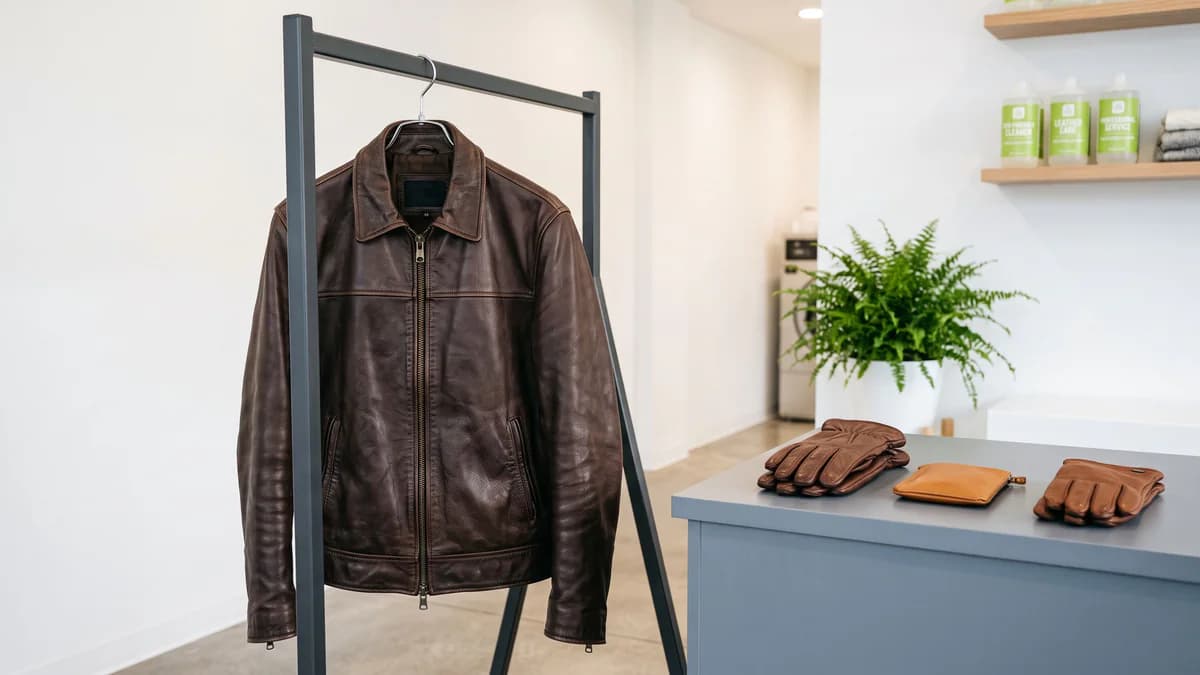
Certain fabrics are simply too delicate for home washing, regardless of how careful you are. Leather, suede, beaded or sequined items, silk, acetate, velvet, wool and taffeta should be dry cleaned.
Silk: Silk is one of the most commonly dry-cleaned fabrics because it's protein-based, highly absorbent, and extremely sensitive to water, heat, and agitation, according to Clothes Doctor. Washing silk at home, even gently, can cause it to shrink, lose its luster, develop water spots, or bleed dye, while dry cleaning preserves silk's sheen and drape far better than any home method.
Wool: Wool fibers have a microscopic scale structure that causes them to felt and shrink when exposed to heat and agitation—which is exactly what happens in a washing machine. Cashmere is even more delicate, and dry cleaning is the safest option for structured wool garments (suits, blazers, overcoats) and fine cashmere pieces.
Velvet: Velvet's distinctive pile (the raised fiber surface that gives it its look and feel) is extremely susceptible to crushing and matting. Water can permanently flatten velvet pile, and dry cleaning is almost always required.
Rayon: Despite its soft, flowy appearance, rayon is notoriously unstable when wet. It can shrink dramatically, lose its shape, and develop a stiff texture after home washing.
Garment Construction Matters Just as Much as Fabric
Beyond the fabric itself, how a garment is constructed often determines whether it needs professional care. Consider the garment's construction—certain construction features often necessitate dry cleaning, regardless of the primary fabric, including suede and leather items, structured jackets and blazers, and vintage or specialty items with delicate lace, beading or other embellishments. These elements can be easily damaged by water or agitation, and linings, shoulder pads, intricate details often dictate 'Dry Clean Only'.
If you have a blazer with structured shoulders, a dress with intricate beading, or a tailored suit, professional dry cleaning helps maintain the garment's shape and integrity. Even if the primary fabric could technically handle home washing, the construction details typically require expert care.
Fabrics Safe for Home Washing
Not everything needs professional cleaning. Cotton, linens and durable polyesters are typically safe to machine wash on a gentle cycle, while fragile fabrics like leather, suede, silk and other delicate materials are best maintained through dry cleaning.
Cotton: Most cotton garments are machine washable and quite durable, with the exception of structured cotton pieces (blazers, formal trousers) where home washing may distort the shape, and delicate cotton laces which require hand washing.
Synthetic Fabrics: Most synthetic fabrics—polyester, nylon, acrylic—are designed to be machine washable and hold up well to home laundering. They're generally colorfast and resistant to shrinking, and t-shirts, casual knit dresses, and jersey tops can typically be machine washed.
Linen: Casual linen shirts and pants can often be hand-washed or machine-washed on a gentle cycle. But structured linen garments—blazers, trousers with a clean crease, tailored dresses—should be dry cleaned to preserve their shape and finish, as home washing often causes linen to wrinkle severely and lose its tailored structure.
When Stain Severity Demands Professional Help
The type and severity of a stain significantly impacts whether you should attempt home treatment or seek professional dry cleaning. Some stains simply won't come out with home methods and can actually become permanent if you wash incorrectly.
Oil-based stains (grease, makeup, salad dressing), wine, ink, and set-in protein stains (blood, egg) often require professional intervention. If a stain has already dried or been exposed to heat, home treatment becomes even riskier. Professional dry cleaners have access to specialized solvents and expertise that home treatment simply cannot match.
For valuable garments or items with sentimental value, professional stain removal is worth the investment. A single mistake with a home treatment attempt could permanently set the stain, making professional cleaning impossible to remedy.
The Cost-Benefit Analysis: When Professional Care Makes Sense
Consider these factors when deciding whether professional dry cleaning is worth the cost:
- Garment value: Designer pieces, expensive fabrics, or items with sentimental value justify professional care
- Garment age: Newer items deserve investment in proper care to extend their lifespan
- Frequency of wear: Items you wear regularly benefit from professional cleaning to maintain appearance
- Replacement cost: If replacing the item would be expensive, professional cleaning is a worthwhile investment
- Fabric delicacy: The more delicate the fabric, the more professional care pays for itself in longevity
For a $200 silk blouse that you wear frequently, spending $8-15 on professional dry cleaning every few months is a smart investment compared to risking $200 on home washing. For a basic cotton t-shirt, home washing makes obvious financial sense.
How to Safely Hand Wash "Dry Clean" Items at Home
If your garment is labeled "Dry Clean" (but not "Dry Clean Only"), you may be able to hand wash it at home with proper technique. Wash with more confidence by performing a quick spot test on your delicate clothing items—put a small amount of water and a drop of mild detergent on a swatch of the clothing you plan to wash, then gently swipe across the area with a cotton swab. If the swab comes off clean with no trace of fabric dye, you can move forward with machine washing. If fabric dye stains the cotton swab, your item needs to be dry cleaned.
Once you've confirmed the garment is safe to wash:
- Fill a clean basin with cold water and add just a small amount of gentle detergent
- Submerge the garment gently and avoid harsh scrubbing or wringing
- Soak briefly—no more than 30 minutes for most fabrics
- Rinse thoroughly with cold water until all detergent is removed
- Gently squeeze out excess water (never wring) and lay flat to dry
Clothes labeled for dry cleaning require gentle treatment that the dryer typically can't offer. High heat can set wrinkles in fabrics like silk or lace, while leather or suede may become distorted and natural fibers like wool are prone to shrinkage. Instead, consider laying knit garments flat as they dry to help prevent stretching and hang-drying other delicate fabrics.
Common Mistakes That Damage Delicate Garments
Understanding what not to do is just as important as knowing what to do. Here are the most frequent errors that ruin clothing:
Ignoring "Dry Clean Only" Labels: Clothing manufacturers specifically test fabrics and garment construction to determine the safest cleaning method. When they mark something as "Dry Clean Only", it's because washing it at home—no matter how careful you are—could shrink it, warp its shape, fade its color, or even ruin delicate embellishments.
Using Hot Water: Select cold water, isolate the item and then select the gentle cycle. Hot water accelerates shrinkage and color fading on delicate fabrics.
Machine Drying Delicate Items: Even the delicate cycle in a dryer can damage silk, wool, and other sensitive fabrics. Air drying is always safer for hand-washed items.
Mixing Colors Without Testing: Always perform a spot test first to check for color bleeding, especially on vibrant or vintage garments.
Washing Embellished Items: If the embellishments are delicate, extensive or show signs of color bleeding, professional dry cleaning is the safest option. Protecting these details is crucial for maintaining the garment's appearance.
Professional Dry Cleaning Benefits for Houston Homeowners
Living in Houston presents unique challenges for garment care. Our high humidity (averaging 75% year-round) and hot summers affect how fabrics age and how detergent effectiveness. Professional dry cleaning offers several advantages that home care simply cannot match.
Dry cleaning is a solvent-based cleaning process. Unlike water, which can swell and damage certain fibers, solvents dissolve oils, grease and other stains without harshness. This makes it ideal for delicate natural and synthetic fibers that are prone to shrinking, stretching or losing their shape.
Professional cleaners also have expertise in handling specialized items—wedding dresses, vintage clothing, leather jackets, and structured suits. They understand fabric behavior and can treat stains that would be impossible to remove at home.
Making the Decision: Your Personal Dry Cleaning Guide
Here's a simple decision tree for Houston homeowners:
Always dry clean:
- Anything labeled "Dry Clean Only"
- Silk, wool, velvet, acetate, or taffeta garments
- Suede, leather, or faux leather items
- Structured jackets, blazers, and suits
- Items with beading, sequins, or delicate embellishments
- Vintage or heirloom clothing
- High-value garments
Usually safe to wash at home:
- Basic cotton t-shirts, underwear, and casual wear
- Most polyester and nylon items
- Sturdy linens (not fine linens)
- Casual knit dresses and jersey tops
- Towels and bedding
Requires careful assessment:
- Items labeled "Dry Clean" (not "Dry Clean Only")
- Garments with mixed fabrics
- Items with delicate details but washable primary fabric
- Anything with sentimental or significant monetary value
How WashMaxx Can Help Protect Your Wardrobe, according to Faziocleaners.
At WashMaxx, we understand that your wardrobe deserves expert care. As the biggest, best and clean washateria in the area, we offer professional dry cleaning services that protect your delicate garments while extending their lifespan. Whether you need specialized care for silk dresses, structured suits, or items with intricate details, our trained professionals handle each piece with the attention it deserves.
We also offer convenient pickup and delivery services for busy Houston professionals and families who want expert garment care without the hassle. Our team can assess your specific clothing needs and recommend the best care approach—whether that's professional dry cleaning, our gentle wash and fold services, or at-home care guidance.
For garments you're uncertain about, bring them to one of our Houston locations. Our experts can evaluate the fabric, construction, and condition to recommend the safest cleaning method. We serve the Sharpstown, Gulfton, Hiram Clarke, and Fondren Southwest areas with extended hours to fit your schedule.
Ready to give your wardrobe the professional care it deserves? Visit us today for a free consultation on your garment care needs, or use our convenient pickup and delivery service to have your delicate items cleaned with expert care.
Explore Our Dry Cleaning ServicesDeje la ropa sucia con nosotros
Déjela aquí, nosotros nos encargamos.
La lavandería principal de Houston con tres ubicaciones convenientes. Autoservicio, lavado y doblado, o recogida y entrega.
Artículos Relacionados