How to Remove Common Stains Naturally: DIY Methods That Actually Work for Houston Homes
Learn eco-friendly, natural stain removal methods for grass, wine, coffee, blood, and grease stains using household ingredients. When to call professional dry cleaning in Houston.
That sinking feeling when you spill red wine on a favorite shirt or notice grass stains on your kid's jeans is all too familiar for Houston families. The good news is that you don't need harsh chemicals or expensive treatments to remove wine stains and other common household stains. With simple household ingredients and the right techniques, you can tackle most everyday stains naturally and protect your clothes while being kind to the environment. This guide walks you through proven DIY stain removal methods that work, plus guidance on when to call in the professionals.
Why Natural Stain Removal Matters for Houston Homes
Houston's humid subtropical climate creates a perfect storm for laundry challenges. The high humidity (averaging around 75% year-round, with peaks of 77% in September) makes clothes prone to moisture and odor issues, while the region's hard water requires extra care when treating stains, according to Davidsuzuki. When you add spills and accidents to the mix, choosing the right stain removal approach becomes essential.
Natural options like vinegar and baking soda show moderate success in treating mild stains. Beyond effectiveness, natural stain removal methods offer real benefits for your household. They're gentler on fabrics, safer for your family, and better for the environment than chemical-heavy commercial cleaners. Plus, most of the ingredients you'll need are probably already in your kitchen.
What You'll Need for Natural Stain Removal
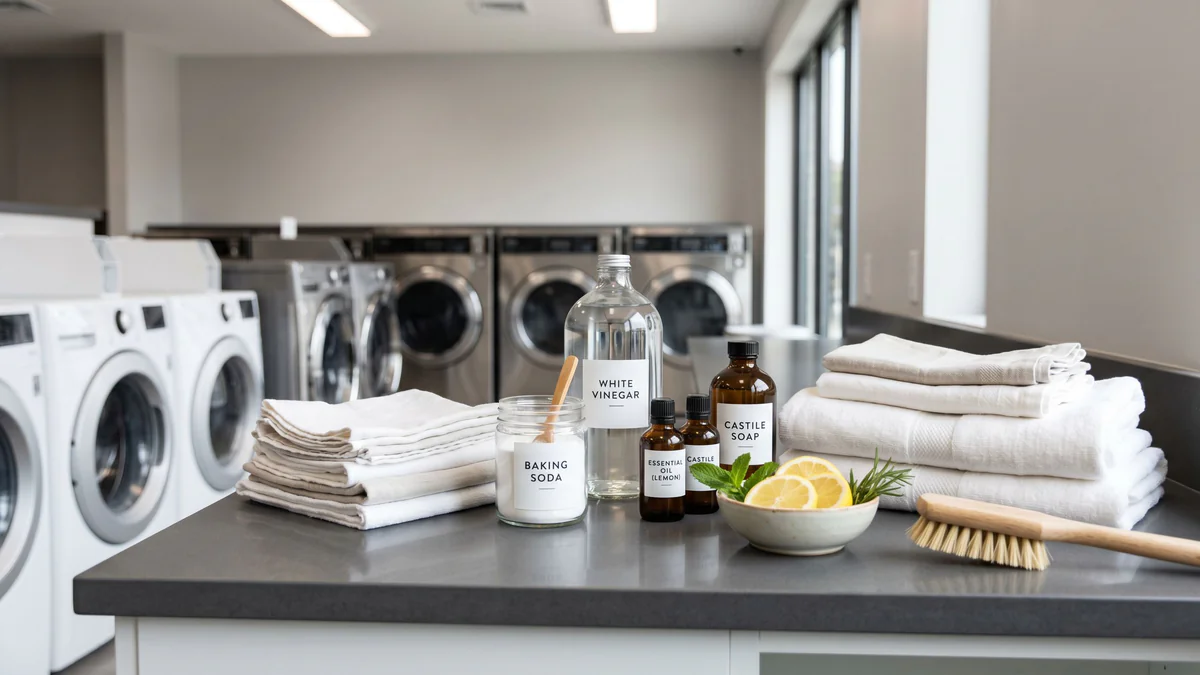
Before tackling specific stains, gather these household staples:
- White vinegar (the acidity breaks down many stain compounds)
- Baking soda (absorbs moisture and lifts stain pigments)
- Hydrogen peroxide (oxidizes stains, though use cautiously on colored fabrics)
- Dish soap (cuts through oils and grease)
- Cold water (hot water can set stains permanently)
- Clean white cloths (avoid colored cloths that might bleed dye)
- Lemon juice (natural bleaching properties)
- Rubbing alcohol (effective on certain stains)
Having these items on hand means you're always ready to tackle a fresh spill before it becomes a permanent problem.
How to Remove Wine Stains: The Most Challenging Household Spill
Wine stains are among the toughest to tackle, but speed and the right technique make all the difference. Whether it's red, white, or rosé, the key is acting fast and understanding which method works best for your fabric.
Step 1: Blot Immediately (Don't Rub)
The moment wine spills, resist the urge to scrub. Instead, blot the stain with a clean white cloth to absorb as much liquid as possible. Rubbing spreads the stain deeper into the fabric fibers and makes removal harder.
For fresh spills on light-colored fabrics, mix one part hydrogen peroxide with two parts dish soap, and spread the solution onto the stain. Leave it for half an hour and then rinse it with cool water. However, remember that this method should only be used on white fabrics because hydrogen peroxide can bleach colored materials.
Step 2: Choose Your Method Based on Fabric Type
For white and light fabrics, hydrogen peroxide and dish soap is highly effective. For colored or delicate fabrics, try one of these approaches:
-
Vinegar and Dish Soap Method: White vinegar can help loosen red wine pigments and make the stain easier to lift, according to Researchgate. It works best when diluted and paired with dish soap or laundry detergent. Mix 1 part white vinegar with 2 parts cool water. Apply it gently with a clean cloth.
-
Baking Soda Paste: Baking soda is a great way to absorb and break up a red wine stain. Once the area is blotted, cover liberally with a paste of baking soda and a few drops of water (this should be smooth enough to apply, but not too runny).
-
Club Soda Method: Club soda can help dilute and lift fresh red wine stains, according to Ijrpas. It works best right after the spill happens. Pour a small amount of club soda over the stain, blot with a clean cloth, and repeat as needed.
Step 3: Rinse and Wash
After treating the stain, rinse the area thoroughly with cold water. Then launder the garment according to its care label. Air dry the item before checking whether the stain has completely lifted, since heat from the dryer can set any remaining stain permanently.
How to Remove Grass Stains: The Kid's Clothes Challenge
Grass stains are protein-based and respond well to enzyme-containing treatments and cold water. They're one of the more forgiving stains to tackle at home.
Step 1: Act Quickly with Cold Water
Rinse the stained area with cold water as soon as possible. Hot water can set grass stains, making them nearly impossible to remove. Work the cold water through the fabric from the back to push the stain out rather than deeper in.
Step 2: Apply a Natural Enzyme Treatment
Enzyme-based detergents performed best for protein-based stains. You can create a simple enzyme treatment by soaking the stained area in a mixture of cold water and regular laundry detergent for 30 minutes to an hour. For a natural boost, add a tablespoon of white vinegar to the soak.
Step 3: Scrub Gently and Wash
After soaking, gently scrub the stained area with a soft brush or old toothbrush. Then wash the garment in cold water using your regular detergent. Check the stain before drying, if it persists, repeat the process rather than applying heat.
How to Remove Coffee and Tea Stains
Coffee and tea stains are tannin-based, which means they respond well to acidic solutions. These stains are usually easier to remove than wine, especially if caught fresh.
Step 1: Blot and Rinse with Cold Water
Blot the stain to remove excess liquid, then rinse with cold water. For fresh spills, this simple step often removes most of the stain.
Step 2: Apply Vinegar Solution
Mix one part white vinegar with one part cold water. Apply this solution to the stain and let it sit for 5 to 10 minutes. The acidity in vinegar breaks down the tannins that give coffee and tea their color.
Step 3: Treat with Baking Soda
Sprinkle baking soda over the damp stain and let it sit for another 5 to 10 minutes. The baking soda helps lift remaining stain particles and neutralizes odors. Rinse thoroughly with cold water and launder as usual.
How to Remove Blood Stains: The Cold Water Secret
Blood stains are protein-based and require cold water, never hot. Heat causes the proteins to bond permanently to fabric fibers.
Step 1: Rinse Immediately with Cold Water
As soon as you notice a blood stain, rinse it under cold running water. Work from the back of the fabric to push the stain out. For fresh stains, cold water alone often does the trick.
Step 2: Soak in Cold Water with Salt
For stubborn blood stains, create a paste of cold water and salt or soak the garment in cold saltwater for 30 minutes. Salt draws out blood proteins and helps lift the stain.
Step 3: Apply Hydrogen Peroxide (Light Fabrics Only)
For white or very light fabrics, dab hydrogen peroxide directly onto the stain. It will fizz as it oxidizes the blood proteins. Let it sit for a few minutes, then blot and rinse with cold water. Wash normally.
For colored fabrics, skip the hydrogen peroxide and instead make a paste of baking soda and cold water. Apply, let dry, and brush off before washing.
How to Remove Grease and Oil Stains
Grease stains require a different approach than water-based stains because oil and water don't mix. The key is using something that breaks down oils.
Step 1: Blot Away Excess Grease
Use a clean cloth or paper towel to blot away as much grease as possible. Don't rub, as this pushes the oil deeper into the fabric.
Step 2: Apply Dish Soap Directly
Dish soap is designed to cut through grease, making it perfect for this task. Apply a small amount of liquid dish soap directly to the stain and gently work it in with a soft brush or your fingers. Let it sit for 15 to 20 minutes to break down the oil.
Step 3: Rinse and Wash in Hot Water
Rinse the area with warm water to remove the soap and loosened grease. Then wash the garment in hot water (which is appropriate for grease stains, unlike protein stains) using your regular detergent. Air dry to confirm the stain is gone before using the dryer.
How to Remove Ink Stains: The Rubbing Alcohol Method
Ink stains can seem permanent, but rubbing alcohol is remarkably effective at dissolving ink particles.
Step 1: Dab with Rubbing Alcohol
Place a clean white cloth under the stain to prevent the ink from transferring to other layers. Dab the stain with rubbing alcohol using another clean cloth. Work from the outside edges of the stain toward the center to avoid spreading it.
Step 2: Blot and Repeat
As the cloth picks up ink, switch to a clean section. Continue dabbing and blotting until no more ink transfers to the cloth.
Step 3: Rinse and Wash
Rinse the area thoroughly with cold water to remove all alcohol residue. Wash the garment normally. For stubborn ink stains, you can repeat this process before laundering.
Tips for Success: Making Natural Stain Removal Work
Act Fast: The sooner you treat a stain, the easier it is to remove. Fresh stains respond better to natural methods than set-in stains.
Test First: Before applying any solution to a visible area, test it on a hidden part of the garment (like an inside seam) to ensure it won't damage or discolor the fabric.
Use Cold Water for Protein Stains: Blood, grass, and other protein-based stains require cold water. Hot water sets them permanently.
Blot, Don't Rub: Rubbing spreads stains and pushes them deeper. Always blot with gentle pressure.
Avoid the Dryer: Never dry a stained garment until you're certain the stain is completely gone. Heat sets stains permanently.
Layer Your Treatments: For stubborn stains, you can combine methods. For example, try vinegar first, then baking soda, then a gentle wash.
Common Mistakes to Avoid
Using Hot Water on Fresh Stains: Many people instinctively reach for hot water, but this sets most stains. Stick with cold water for initial treatment.
Mixing Vinegar and Bleach: Never combine these two, as they create toxic chlorine gas. If you use bleach, use it alone.
Applying Heat Too Soon: Using the dryer or iron before the stain is completely gone locks it in permanently.
Scrubbing Instead of Blotting: Aggressive scrubbing damages fabric fibers and spreads stains deeper.
Ignoring Care Labels: Always check the garment's care label before treating stains. Some fabrics require professional cleaning.
When to Call the Professionals: Knowing Your Limits
Natural stain removal methods work wonderfully for most household stains, but some situations call for professional help. If you're dealing with valuable garments, delicate fabrics like silk or wool, or stains that resist your DIY efforts, it's time to bring in the experts.
Professional dry cleaning services use specialized treatments for stubborn stains on valuable items and delicate fabrics. In Houston, WashMaxx offers professional dry cleaning services that can handle the stains your home methods can't. Our team understands fabric types and has access to professional-grade solutions that work on set-in stains and delicate materials.
If you're overwhelmed by laundry and stain removal, WashMaxx also offers wash and fold services that include professional stain treatment. Our team can handle your everyday laundry while you focus on what matters most. With pickup and delivery available across our three Houston locations, convenience is just a call away.
Conclusion: Take Control of Your Laundry Challenges
You don't need harsh chemicals or expensive commercial stain removers to keep your clothes looking fresh and clean. With simple household ingredients like vinegar, baking soda, and dish soap, you can remove wine stains, grass marks, coffee spots, and most other common household stains naturally and affordably.
The key is acting quickly, using the right method for each type of stain, and being patient with the process. Most stains yield to these natural methods when treated promptly. For those stubborn stains on valuable items or delicate fabrics, professional help is available.
Ready to master your laundry and keep your Houston home's clothes looking their best? Start with these natural stain removal methods for everyday spills, and don't hesitate to reach out to WashMaxx when you need professional support. Whether it's a tough stain or a full laundry load, we're here to help. Visit us today at one of our three convenient Houston locations, or take advantage of our pickup and delivery service. The biggest, best and clean washateria in the area is ready to support your laundry needs.
Schedule Wash & Fold ServiceDeje la ropa sucia con nosotros
Déjela aquí, nosotros nos encargamos.
La lavandería principal de Houston con tres ubicaciones convenientes. Autoservicio, lavado y doblado, o recogida y entrega.
Artículos Relacionados