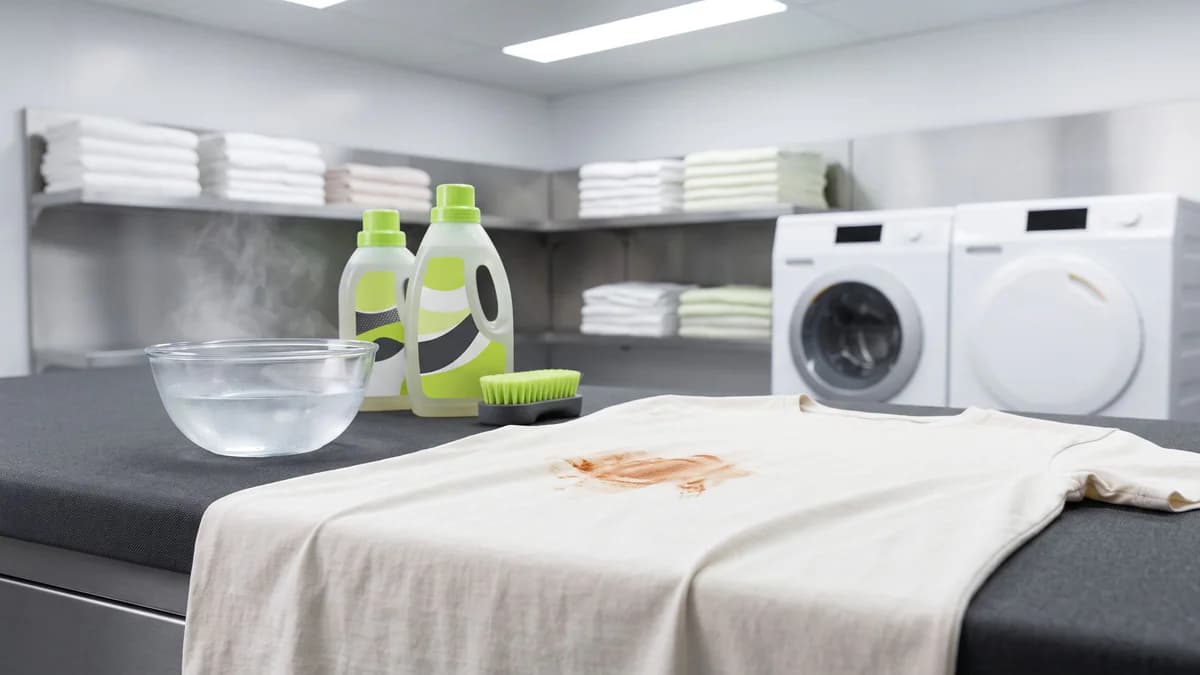
How to Remove Chocolate Stains from Clothes: Stain Removal Questions Answered
Complete guide to removing fresh and set-in chocolate stains from all fabrics. Learn DIY methods and when to use professional dry cleaning for valuable items.
Chocolate stains don't have to be permanent. Whether you've spilled hot cocoa on your favorite sweater or your child got chocolate on their school clothes, knowing how to remove chocolate stains can save your favorite garments. Common stain removal questions about chocolate often focus on whether these stains are truly removable—and the answer is yes. The key is understanding that chocolate is a complex, multi-component stain requiring a strategic approach—and acting quickly makes all the difference.
Understanding the Enemy: What Makes Chocolate Stains So Stubborn
Before you tackle any chocolate stain removal, it helps to understand what you're dealing with. Chocolate is a combination stain where cocoa butter is a fat that repels water, cocoa solids contain tannins that bind to fabric fibers, and depending on the type of chocolate, there may be milk protein and sugar in the mix too.
Think of it this way: you're not just fighting one enemy—you're battling three distinct components, each requiring different treatment strategies. Cocoa powder contains dark tannins, evidenced by cocoa's brown color, and chocolate also contains cocoa butter and other oils that give the chocolate a smooth texture. This combination is why a simple wash with soap and water rarely works.
Milk chocolate contains cocoa liquor, milk solids, fat, and sugar with the added fat leading to persistent oily stains, dark chocolate has a high level of cocoa liquor and less fat but its dark color makes stains hard to remove, and white chocolate won't leave a dark stain but has the highest cocoa butter content of all. Understanding which type of chocolate caused the stain helps you choose the right approach.
What You'll Need
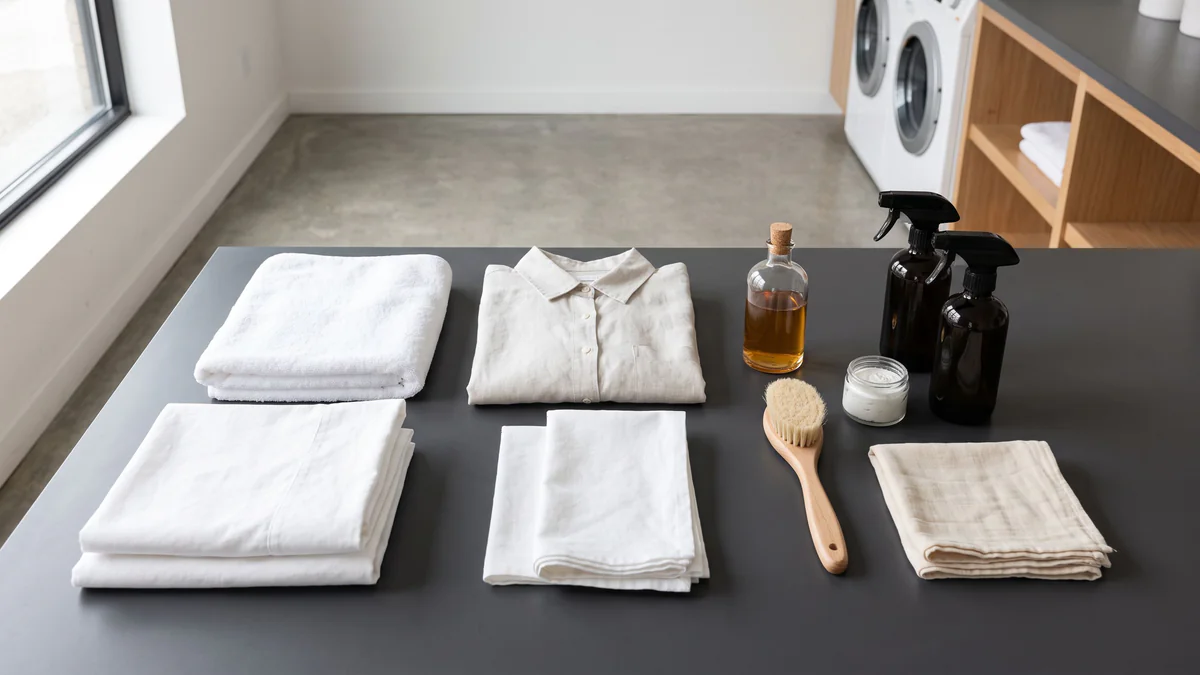
Before you begin, gather these supplies:
- Cold water (essential—hot water makes chocolate stains worse)
- Butter knife or spoon (for scraping)
- Liquid dish soap (cuts through cocoa butter)
- Enzyme-based laundry detergent (breaks down proteins and tannins)
- Oxygen bleach (optional, for stubborn stains)
- White cloth or paper towels (for blotting)
- Soft brush (optional, for gentle scrubbing)
For valuable or delicate items, consider having professional dry cleaning services available as a backup option.
Step 1: Act Immediately and Remove Excess Chocolate
The moment you notice a chocolate stain, stop what you're doing and address it. With a butter knife, gently scrape off any dried chocolate. This is your first line of defense.
Here's what to do:
- Use a butter knife, spoon, or the edge of a credit card to gently scrape away any excess chocolate from the fabric surface
- Work from the outside edges of the stain toward the center to avoid pushing chocolate deeper into the fibers
- Be gentle—aggressive scraping can damage delicate fabrics
- If the chocolate is still wet, blot it with a clean white cloth rather than rubbing
Don't worry about getting every last bit—your next steps will handle the rest. The goal here is simply to remove the bulk of the chocolate so you're not working against a thick layer.
Step 2: Flush with Cold Water (The Tannin Defense)
This step is crucial and often skipped, but it's where many people go wrong. The best way to handle a tannin stain is to flush it with cold water to keep it from setting.
Why cold water matters: Cocoa butter melts when heated, and if you use hot water, the stain will spread to other areas of your clothing. Heat also sets tannins permanently into fibers, making the stain nearly impossible to remove.
What to do:
- Hold the stained garment under cold running water
- Position the fabric so water flows through the back of the stain (pushing it out rather than deeper into the fabric)
- Let cold water run through for 1-2 minutes
- Gently rub the fabric between your fingers while rinsing to help lift the tannins
- Continue until the water running through the stain runs clear
This cold water rinse removes the water-soluble sugar component and begins lifting the tannin pigments before they can bond permanently to your fabric.
Step 3: Treat the Oily Component with Dish Soap
Now it's time to tackle the cocoa butter—the greasy part of the stain. To remove a chocolate stain, blot up the excess, flush the back of the stain with cold water to lift the tannins, then treat the oily part with dish soap and hot water before laundering.
Here's the process:
- Apply liquid dish soap directly to the stained area (the same soap you'd use to cut grease off dishes)
- Gently work the soap into the stain using your fingers or a soft brush
- Let it sit for 5-10 minutes to break down the cocoa butter
- Rinse thoroughly with cold water to remove all soap residue
- Repeat if necessary for stubborn oily residue
Dish soap is highly effective because it's specifically formulated to break apart oil and fat molecules—exactly what you need to tackle cocoa butter.
Step 4: Use Enzyme Detergent for Protein and Remaining Pigment
After the cold water rinse and dish soap treatment, you'll likely still see some discoloration. This is where enzyme-based laundry detergent becomes your secret weapon. Enzyme detergent is effective in warmer and cooler water temperatures and contains proteases that break down the proteins that have attached themselves to the staining tannins, and tannins form heavier compounds with proteins, starches, and minerals found in chocolate that enzyme-containing detergents are good at breaking down.
How to apply enzyme detergent:
- Apply enzyme-based laundry detergent directly to the remaining stain
- Gently work it into the fabric with your fingers
- Let it sit for 10-15 minutes (don't let it dry completely)
- Rinse thoroughly with cold water
- Check the stain before washing—if it's still visible, repeat this step
The main advantage of enzyme detergents is that they remain effective at lower temperatures relative to conventional detergents. This is important because you want to avoid hot water until you're absolutely sure the stain is gone.
Step 5: Pre-Soak and Wash (If Needed)
For set-in chocolate stains or particularly stubborn discoloration, a pre-soak can work wonders.
For fresh stains: Proceed directly to a regular wash cycle using cold or warm water (check the garment's care label) with enzyme detergent.
For stubborn stains: Pre-soak the garments with a diluted mixture of detergent and oxygen bleach for 8 hours before doing a wash cycle at the hottest temperatures safe for the fabric.
Important washing tips:
- Always verify the stain is completely gone before putting the item in the dryer
- Check while the fabric is still wet—stains are easier to spot on damp fabric
- If any stain remains, repeat the enzyme treatment before drying
- Don't put the item in the dryer until the stain is fully gone—heat sets it permanently.
Tips for Success
For different chocolate types:
- Dark chocolate: Contains the most tannins, so focus extra effort on the enzyme detergent step to lift the dark pigment
- Milk chocolate: Has more fat content, so emphasize the dish soap treatment
- White chocolate: Has the highest cocoa butter content, so be especially careful with cold water and oil-cutting treatments
For different fabrics:
- Delicate fabrics (silk, lace, wool): Skip the aggressive scrubbing and consider professional dry cleaning services for valuable items
- Cotton and synthetic blends: These are more forgiving and can handle the full treatment protocol
- Wool: Use only cold water and gentle treatments, as hot water and alkaline detergents can damage wool fibers
For white and light-colored garments:
If the stain persists after enzyme treatment, try spot-cleaning with oxygen bleach and 3% hydrogen peroxide to penetrate and agitate the fibers to lift stains and cut through the fats. Test this solution on an inconspicuous area first to ensure it doesn't damage the fabric.
Common Mistakes to Avoid
1. Using hot water immediately This is the #1 mistake people make. Hot water melts cocoa butter deeper into fibers and sets tannins permanently. Always start with cold water.
2. Rubbing or scrubbing aggressively Rubbing spreads the stain and pushes it deeper into fabric. Blot instead, and use gentle pressure when treating.
3. Putting stained clothes in the dryer Heat is the enemy of chocolate stain removal. Always air-dry until you're certain the stain is completely gone.
4. Treating only the surface Flush from the back of the stain to push it out, rather than treating only the top surface. This is especially important with tannin stains.
5. Skipping the enzyme detergent step Regular detergent alone won't break down the protein and tannin components. Enzyme detergent is essential for complete removal.
6. Waiting too long to treat The longer chocolate sits, the more it bonds to fibers. Treat stains within the first 15-30 minutes for best results.
When to Call in the Professionals
While DIY methods work for most chocolate stains, some situations call for professional help:
- Valuable or delicate garments (designer clothes, expensive suits, silk dresses)
- Antique or heirloom textiles that can't withstand aggressive treatment
- Stains on specialty fabrics (leather, suede, fur)
- Set-in stains that have already survived one wash cycle
- Stains on upholstered furniture or other non-clothing items
Professional dry cleaning services have access to specialized solvents, industrial-grade equipment, and expert knowledge that can tackle even the most stubborn chocolate stains. For residents in the Houston area, WashMaxx's wash and fold service can take these challenging loads off your hands. Our team understands the chemistry of stain removal and can treat valuable items with the care they deserve.
The Bottom Line
Chocolate stains are challenging, but they're not permanent—if you act quickly and follow the right steps. Remember: cold water first, tackle the oil with dish soap, use enzyme detergent for the tannins, and never use heat until the stain is completely gone. This methodical approach works for the vast majority of chocolate stains on everyday fabrics.
For fresh stains on regular clothes, these DIY methods will save you time and money. But for valuable items or set-in stains, don't hesitate to reach out to professionals who can give your favorite garments the expert care they deserve.
Ready to tackle that chocolate stain? Start with cold water and dish soap—you've got this. And if you need professional help or have other laundry challenges, visit us at WashMaxx, the biggest, best and clean washateria in the area. We're here to help Houston families and professionals keep their clothes looking great.
Get Professional Help TodayDeje la ropa sucia con nosotros
Déjela aquí, nosotros nos encargamos.
La lavandería principal de Houston con tres ubicaciones convenientes. Autoservicio, lavado y doblado, o recogida y entrega.
Artículos Relacionados