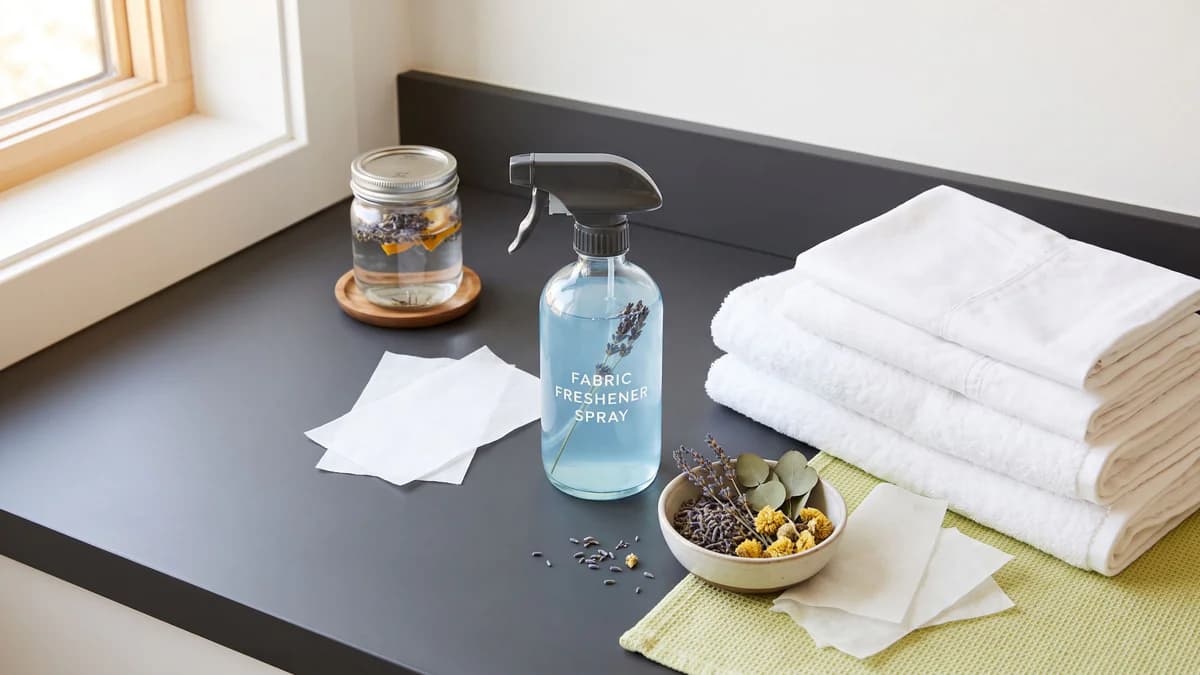
How to Make DIY Fabric Softener Spray: Easy Homemade Recipe for Fresh Laundry
Learn how to make DIY fabric softener spray at home with simple ingredients. Easy homemade recipe for soft, fresh clothes while avoiding harsh chemicals.
Making your own fabric softener spray is easier than you might think, and it's one of the best ways to keep your clothes feeling soft and fresh while avoiding the harsh chemicals found in store-bought products. Proper moisture wicking fabric care is essential when using any softening products, as certain fabrics require special attention. With just a few simple ingredients and a few minutes of your time, you can create a customizable fabric softener spray that works beautifully on all your laundry. Whether you're looking to save money, reduce your environmental impact, or care for sensitive skin, this homemade solution delivers results that rival commercial alternatives.
Why Make Your Own Fabric Softener Spray?
Everyone loves a warm, fresh-smelling pile of clean clothes, but sometimes the products we use in our laundry contain unnecessary chemicals and additives. Commercial fabric softeners often contain synthetic fragrances, dyes, and other compounds that can irritate skin or harm the environment, as documented by the EPA. By making your own fabric softener spray, you gain complete control over what touches your clothes and your washing machine.
Beyond health and environmental benefits, homemade fabric softener spray offers real cost savings. Store-bought bottles can add up quickly, especially for busy families doing multiple loads per week. A homemade version costs just a fraction of the price while delivering the same softening and freshening benefits.
What You'll Need
Before you start making your fabric softener spray, gather these simple ingredients and supplies:
Ingredients:
- White vinegar (1 cup) and 15-20 drops of essential oils of your choice
- Water (to dilute the mixture)
- Optional: baking soda for added softening power
Supplies:
- A spray bottle or storage container (glass preferred)
- Measuring cups and spoons
- A mixing bowl or jar
- A spoon or whisk for stirring
- A funnel (optional, for easier pouring)
The beauty of this recipe is its simplicity. You likely already have most of these items at home. If you don't have a spray bottle, save an empty one from a previous cleaning product or purchase an inexpensive one at any grocery store.
Step 1: Choose Your Essential Oils
The first decision in making your fabric softener spray is selecting your scent. This is where you get to customize the experience and create something that matches your personal preferences perfectly.
Vinegar acts as a natural softening agent by dissolving hard water buildup without leaving residue behind. The vinegar does the heavy lifting for softening, while essential oils provide the pleasant scent. Although vinegar has a strong scent of its own, you won't even notice it once your clothes have dried.
Popular essential oil choices include:
- Lavender: Calming and soothing, perfect for bedding and relaxation
- Citrus oils (lemon, orange, grapefruit): Fresh and uplifting, ideal for everyday wear
- Lemongrass: Bright and crisp with a clean scent
- Eucalyptus: Invigorating and fresh
- Peppermint: Energizing and cooling
You can also combine several essential oils together to create a unique scent. Many people enjoy blending lavender with lemon for a balanced, fresh aroma, or mixing citrus oils for a tropical feel. Experiment to find your favorite combination.
Step 2: Mix Your Base Solution
Now it's time to combine your vinegar and essential oils to create the foundation of your fabric softener spray.
Combine 1 cup of white vinegar and 15-20 drops of essential oils in a large bowl, then slowly add ¼ cup of baking soda to the vinegar mixture. Be prepared for some fizzing as the baking soda reacts with the vinegar. This fizzing is completely normal and actually helps distribute the ingredients evenly.
Here's the step-by-step process:
- Pour 1 cup of white vinegar into your mixing bowl
- Add your chosen essential oils (15-20 drops total)
- Stir well to combine the vinegar and oils
- Slowly add 1/4 cup of baking soda
- Watch as the mixture fizzes and reacts
- Continue stirring until the fizzing subsides and ingredients are well combined
The baking soda serves double duty in this recipe. It enhances the softening properties while also helping to neutralize odors in your laundry. If you prefer a simpler two-ingredient version without baking soda, you can skip this step and proceed directly to adding water.
Step 3: Add Water and Transfer to Storage
Once your base solution is mixed, it's time to dilute it and prepare it for use. Pour 2 cups of hot water into the mixture and stir continually to ensure all ingredients are well combined.
The hot water helps the ingredients blend smoothly and allows the essential oils to distribute evenly throughout the solution. Stir for about a minute to ensure everything is fully incorporated. The mixture should look uniform without visible oil droplets floating on the surface.
Next, transfer the mixture into a reusable glass jar or any other container with a lid and shake well before each use. Glass containers work best because they're durable, reusable, and won't absorb odors or residue over time. Old fabric softener bottles, mason jars, or even cleaned vinegar bottles make excellent storage options.
If you're making a spray version specifically for freshening fabrics between washes, pour your solution into a spray bottle instead. You can use this lighter version on upholstered furniture, curtains, or as a quick refresh for clothes that need a scent boost without a full wash.
Tips for Success
Creating the perfect homemade fabric softener spray takes a little practice, but these tips will help you get professional results every time.
Store it properly: Keep your fabric softener in a cool, dark place away from direct sunlight. Properly stored, your homemade solution will keep for several weeks. Always shake well before each use, especially if you didn't include the baking soda, as the oils may separate slightly over time.
Get the dosage right: Add 1/4 cup of this DIY solution to your laundry for optimal results. If you have a washing machine with a fabric softener dispenser, add it there during the wash cycle. For machines without a dispenser, add it during the final rinse cycle to avoid interfering with detergent performance.
Test on delicate fabrics: Before using your homemade softener on expensive or delicate garments, test it on a hidden area or less visible piece of fabric. This ensures the essential oils won't cause any discoloration or damage. When caring for moisture wicking fabric care, always avoid fabric softeners entirely, as they can interfere with the fabric's ability to move moisture away from your skin.
Customize your scent seasonally: Many people like to change their all natural scented fabric softener with the changing seasons. Use fresh citrus scents in summer, warm lavender in winter, and herbal blends in spring and fall.
Consider your water type: If you have hard water in your Houston area home, the vinegar in this recipe will work especially well for you. Vinegar acts as a natural softening agent by dissolving hard water buildup without leaving residue behind. Hard water can make clothes feel stiff, but this solution addresses that problem naturally.
Common Mistakes to Avoid
Even with the best intentions, a few common mistakes can affect your results. Here's how to avoid them:
Adding too much essential oil: This is the most frequent error people make. More oil doesn't mean more scent on your clothes. In fact, excessive oil can leave spots on fabrics and may irritate sensitive skin. Stick to the recommended 15-20 drops per batch.
Forgetting to shake before use: The oils and vinegar naturally separate over time. If you don't shake your mixture before each use, you'll get inconsistent results. Some loads will be lightly scented while others are overpowering.
Using cold water instead of hot: Hot water helps the ingredients blend smoothly and allows the solution to work more effectively in your washing machine. Cold water can leave the mixture looking cloudy or separated.
Not testing on delicate items: Always test your homemade softener on a small, hidden area of delicate fabrics first. While the natural ingredients are gentler than commercial alternatives, essential oils are still concentrated substances.
Storing in plastic containers: While plastic won't ruin your mixture, glass containers are superior. Plastic can absorb odors and may interact with the oils over time. Glass keeps your softener fresh and pure longer.
Overusing on towels: Fabric softener can reduce the absorbency of towels. Use it sparingly on bath towels, kitchen towels, and washcloths, or skip it entirely for these items to maintain their functionality, as noted in Wikipedia's fabric softener article.
When to Use Your Homemade Fabric Softener
Your homemade fabric softener spray works best on certain fabrics and situations. Use it on cotton clothing, bed linens, and everyday wear for the best results. It's particularly effective for items that tend to feel stiff or that you want to smell fresh.
However, avoid using it on moisture wicking athletic wear, as the oils can interfere with the fabric's ability to move moisture away from your skin. Similarly, skip it on delicate fabrics like silk or lace unless you've tested it first. For valuable or delicate garments, professional dry cleaning services like those at WashMaxx provide specialized care that protects your investment while delivering perfect results. Understanding proper moisture wicking fabric care, as detailed in Wikipedia's textile care guide, ensures your athletic wear maintains its performance for years to come.
Conclusion
Making your own fabric softener spray is a simple, cost-effective way to keep your clothes soft and fresh while avoiding harsh chemicals. With just a few ingredients and a few minutes of preparation, you can create a customizable solution that works beautifully on all your everyday laundry. Homemade fabric softener is easy to make, cost-effective, and sustainable. Made with natural ingredients, this fabric softener leaves clothes fresh, soft and with a lasting scent, as supported by laundry care best practices.
Whether you're a busy professional looking for time-saving solutions, a family managing multiple loads, or someone committed to eco-friendly practices, this DIY approach gives you control over your laundry care while delivering results you'll love. Start with the basic recipe, experiment with scents that appeal to you, and adjust the formula until it's perfect for your household's needs.
Ready to take control of your laundry care? Start making your own fabric softener spray today, and experience the difference that natural, customizable softening can make. And if you'd prefer to leave the laundry to the experts, WashMaxx is here to help with our professional wash and fold services.
Explore Our ServicesDeje la ropa sucia con nosotros
Déjela aquí, nosotros nos encargamos.
La lavandería principal de Houston con tres ubicaciones convenientes. Autoservicio, lavado y doblado, o recogida y entrega.
Artículos Relacionados