How to Make a Room Smell Good with Fabric Softener: DIY Air Freshening Tips
Learn how to repurpose fabric softener as an affordable, eco-friendly room freshener. Discover spray methods, dryer sheet hacks, and simmering techniques for every room in your home.
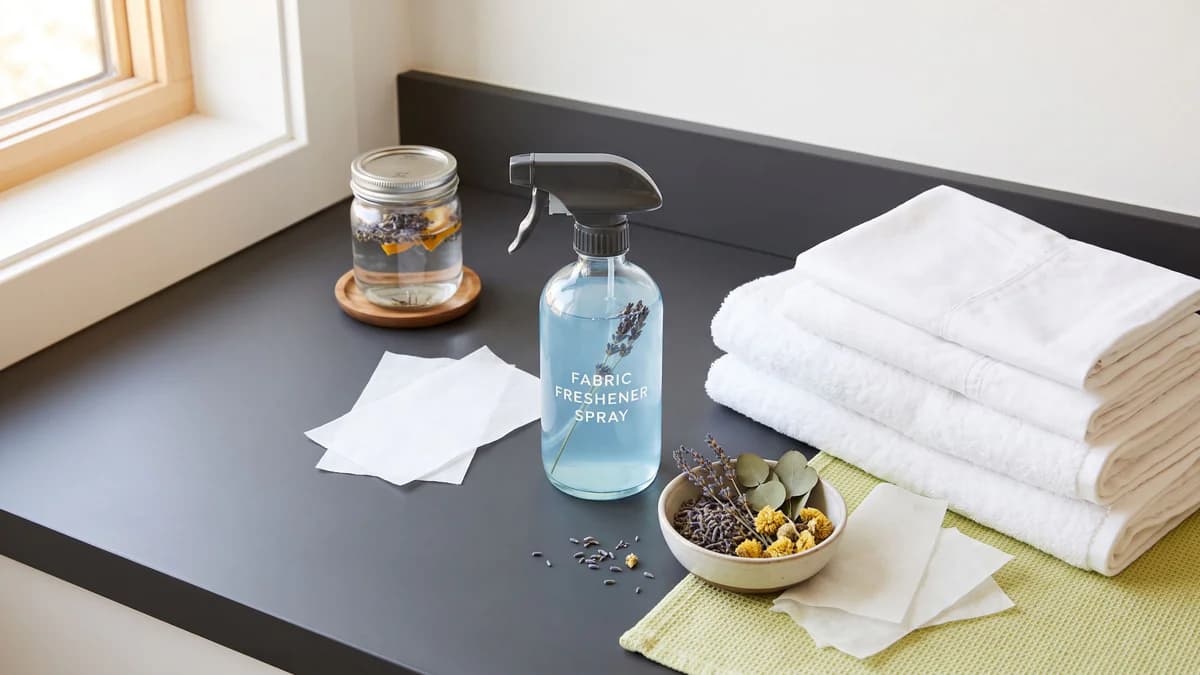
Looking for an affordable way to freshen up your home without breaking the bank on expensive air fresheners? The answer might already be sitting in your laundry room. Fabric softener is a versatile product that goes far beyond making your clothes feel soft and smell great. With just a few simple ingredients and basic household items, you can create effective DIY air fresheners that will keep your rooms smelling fresh for weeks. Whether you're a busy professional, a parent managing a household, or a student in a dorm, these fabric softener hacks are perfect for anyone seeking budget-friendly, eco-conscious solutions. Best of all, these methods work wonderfully for delicate fabric care too, you can use these same techniques to freshen up your silk blouses, cashmere sweaters, and other delicate items without damaging them.
What You'll Need
Before you start creating your homemade air fresheners, gather these simple materials:
- Fabric softener (your favorite scent)
- Baking soda
- Warm water
- Spray bottles (16 ounce or larger)
- Optional: rubbing alcohol, essential oils, or salt
Most of these items are probably already in your home, making this a truly cost-effective solution. Since this trick only uses a small amount of fabric softener and baking soda, each bottle is fairly inexpensive to make. The best part? It costs only 15 cents per bottle!
Method 1: The Classic Fabric Softener Spray
This is the most popular method for creating a DIY air freshener that rivals store-bought options. It's simple, effective, and delivers long-lasting scent throughout your home.
Step 1: Prepare Your Spray Bottle
Start by selecting a clean spray bottle. If you're reusing an old bottle, make sure to wash it thoroughly with soap and hot water to remove any residue. A 16-ounce spray bottle works perfectly for this recipe.
Step 2: Add the Fabric Softener
Combine an 1/8 cup of the fabric softener of your choice, 2 tablespoons of baking soda, and a little warm water. Pour the fabric softener directly into your spray bottle first. This gives you a good base for your air freshener.
Step 3: Mix in the Baking Soda
Add 2 tablespoons of baking soda to your bottle. Here's an important tip: If you use colder water, the baking soda could become clumpy and will make the solution difficult to spray. To avoid this, you can pre-mix the baking soda with a small amount of warm water in a separate bowl before adding it to the bottle.
The fabric softener provides the fragrance, the baking soda helps neutralize odors, and lukewarm water aids in dissolving the baking soda. This combination is what makes the spray so effective at both scenting and deodorizing your rooms.
Step 4: Add Warm Water
Once your solution is in the bottle, fill it the rest of the way with warm water and shake it until the baking soda has dissolved. Make sure all the ingredients are well combined. A good rule of thumb is to fill the bottle about three-quarters full with warm water, then adjust as needed.
Step 5: Shake and Use
After sealing the bottle, shake it vigorously to ensure all ingredients are evenly distributed. This step is crucial for activating the air freshener's effectiveness before each use. Remember to shake the bottle before each use, as the ingredients can settle over time.
Method 2: The Salt and Fabric Softener Bowl
If you prefer a non-spray option that provides long-lasting, passive scent diffusion, this method is perfect for you. Elizabeth Grace at Dream Home Making says this trick is one of the best home fragrances when it comes to long-lasting results. 'Beyond its simplicity, what sets this DIY apart is its longevity,' she says. 'The marriage of fabric softener and salt creates a fragrance matrix that clings to surfaces, subtly releasing bursts of scent over an extended period. This longevity not only makes it cost-effective but also eliminates the need for frequent reapplication, a testament to its practicality.'
Step 1: Gather Your Materials
You'll need a small bowl, coarse sea salt, rubbing alcohol, and your favorite fabric softener. This method works beautifully in living rooms, bedrooms, and entryways where you want a subtle, continuous scent.
Step 2: Create the Mixture
Fill a bowl with coarse sea salt followed by a tablespoon of rubbing alcohol, and then a capful of your favorite laundry softener. Once you've given the contents a mix, you simply leave on a surface to fill a room with its scent. The rubbing alcohol helps the mixture dry faster and allows the scent to disperse more effectively.
Step 3: Place Strategically
Set your bowl in a visible, safe location where it won't be knocked over. The scent will gradually release over time, filling the room with a pleasant aroma. This method is especially effective in smaller spaces like closets, bathrooms, or bedrooms.
Method 3: The Simmering Technique
For a more aromatic and spa-like experience, try simmering fabric softener on your stovetop. This method is perfect for creating an inviting atmosphere when you have guests coming over or simply want to refresh your home quickly.
Step 1: Fill Your Pot
Add water to a small saucepan or potpourri pot. You'll only need enough to cover the bottom by about an inch. You can do this on the stove if you have an old pan that you want to dedicate to it or you can just add fabric softener mixed with water to any potpourri pot and allow it to simmer. This is great for bathrooms and laundry rooms to cover up musty odors.
Step 2: Add Fabric Softener
Add a capful or two of your fabric softener to the water. Start with less rather than more, as you can always add more if needed. The scent will intensify as the water heats up.
Step 3: Simmer on Low Heat
Bring the mixture to a gentle simmer on low heat. Never let it boil vigorously, as this can cause the scent to dissipate too quickly. Keep the heat low and steady for the best results.
Step 4: Enjoy the Aroma
Let the mixture simmer for 30 minutes to an hour. Your entire home will fill with the scent of your chosen fabric softener. This method works particularly well in open-concept homes where the aroma can easily travel between rooms.
Method 4: Dryer Sheet Hacks for Quick Freshness
If you're looking for the quickest method, dryer sheets offer an easy solution. This homemade air freshening spray is multipurpose, so it can be used in the air or on mattresses, rugs, carpets, couches or armchairs, fabrics, or anywhere you find not-so-great smells around your home. But dryer sheets themselves can be repurposed in creative ways too.
Place Sheets in Strategic Locations
Toss a scented dryer sheet into closets, under pillows, in drawers, or even in your car. The scent will gradually release over time, keeping these spaces smelling fresh. This is especially helpful for busy professionals and families who want a quick, no-effort solution.
Use with Fans or Vents
Pin or tape a dryer sheet near a fan or air vent. As air flows through, it carries the scent throughout the room. This method is perfect for bedrooms and living areas where you want gentle, continuous fragrance.
Tips for Success
Choose Your Scent Wisely
If you want your spray to have a stronger scent, you can add more air freshener to your solution. If you prefer a lighter scent, you can add less. Different rooms benefit from different scents. Consider lavender for bedrooms (which promotes relaxation), citrus for kitchens and living areas (which feels energizing), and fresh florals for bathrooms.
Customize for Different Rooms
The beauty of making your own air freshener is that you can tailor it to each space. A professional's home office might benefit from a crisp, clean scent, while a family's living room could use something warmer and more inviting. Students in dorms can choose scents that help them focus or relax, depending on their needs.
Store Properly for Longevity
If stored correctly the air freshener could last many weeks. Do remember to shake it before every use and store it properly to preserve its quality. Keep your spray bottles away from direct sunlight and in a cool, dry place. Proper storage extends the life of your homemade air freshener significantly.
Use Natural Ingredients When Possible
For an air freshener with fewer chemicals, you can try using a fabric softener with more natural ingredients like Downy Natural Blends. Using an air freshener with all-natural ingredients will also help if you have sensitive skin and are using the spray on bedding or furniture. This is especially important if you have pets, children, or anyone with sensitivities in your home.
Enhance with Essential Oils
For an extra boost of scent or therapeutic benefits, essential oils can improve the aroma of the spray and serve other purposes, such as inducing calmness or aiding with energy, according to Gowashmaxx. Add just a few drops to your spray bottle for a customized fragrance that works for your needs.
Common Mistakes to Avoid
Using Water That's Too Cold
One of the most common mistakes is using cold water, which causes the baking soda to clump up and makes the spray ineffective, according to Housedigest. Always use warm or lukewarm water to ensure smooth mixing and easy application.
Forgetting to Shake Before Use
The ingredients in your homemade spray will naturally separate over time. If you don't shake it well before each use, you might just be spraying water instead of getting the full benefit of the fabric softener and baking soda.
Spraying Too Much
A little goes a long way with homemade air fresheners. Start with a light mist and add more as needed. Over-spraying can leave your fabrics damp and may create an overwhelming scent that's unpleasant rather than refreshing.
Ignoring Safety with Simmering
If you choose the simmering method, never leave your pot unattended. Accidents can happen quickly, and safety should always come first. Set a timer to remind yourself to check on the pot regularly.
Testing on Delicate Fabrics
Before spraying your homemade air freshener on delicate fabrics like silk or velvet, always test it on a hidden area first. Proper delicate fabric care means it is advisable to first do a small area test to check for stains or discoloration. Better safe than sorry when it comes to protecting your valuable items.
Why Fabric Softener Works So Well for Air Freshening
Fabric softener is specifically formulated to provide long-lasting fragrance, which is exactly what you want in an air freshener. The scent molecules are designed to cling to fabrics and linger, making it an ideal base for DIY room fresheners. When combined with baking soda, which neutralizes odors naturally, you get a powerful two-in-one solution that both scents and deodorizes your space.
This approach is particularly appealing for Houston families and professionals who appreciate practical, budget-friendly solutions. Whether you're managing a busy household in Sharpstown, working from home in the Bissonnet area, or living in a dorm near the Bellerive neighborhood, these DIY air fresheners offer convenience without the expense of store-bought alternatives.
Eco-Friendly Bonus
Creating your own air fresheners aligns perfectly with sustainable living practices. By reusing spray bottles and making your own products, you're reducing plastic waste and packaging. It also is a more eco-friendly method because it's possible to re-use old bottles or containers instead of throwing them in plastic waste. This is especially important if sustainability matters to you and your family.
Conclusion
Making a room smell good with fabric softener is one of the easiest, most affordable DIY projects you can tackle. Whether you choose the classic spray method, the long-lasting salt bowl technique, the quick simmering approach, or the simple dryer sheet hack, you have multiple options to keep your home smelling fresh. Each method takes just minutes to prepare, costs pennies per application, and delivers results that rival expensive store-bought air fresheners.
The best part? You control exactly what scent fills your home, and you know exactly what ingredients are being used. No harsh chemicals, no mystery fragrances, just simple household items doing their job. From busy professionals seeking quick solutions to families managing multiple rooms, these fabric softener air freshening tips offer something for everyone.
Ready to freshen up your home the smart way? Start with whichever method appeals to you most, and don't be afraid to experiment with different fabric softener scents to find your perfect match. Your nose (and your wallet) will thank you.
Explore Our ServicesDeje la ropa sucia con nosotros
Déjela aquí, nosotros nos encargamos.
La lavandería principal de Houston con tres ubicaciones convenientes. Autoservicio, lavado y doblado, o recogida y entrega.
Artículos Relacionados