Wet Cleaning vs Dry Cleaning | Key Differences Explained
Wet cleaning vs dry cleaning explained: how each method works, which fabrics they suit, and the cost, safety, and environmental differences.

Laundry care has evolved into a highly specialized industry where different fabrics, stains, and garment types require different cleaning methods. Among the most widely used professional cleaning techniques are wet cleaning and dry cleaning. While both aim to restore garments to a clean and wearable condition, they differ significantly in process, chemistry, fabric safety, environmental impact, and cost efficiency.
Understanding these differences is essential not only for textile professionals but also for consumers who want to make informed decisions about garment care, extend fabric life, and avoid unnecessary damage.
What is Wet Cleaning?
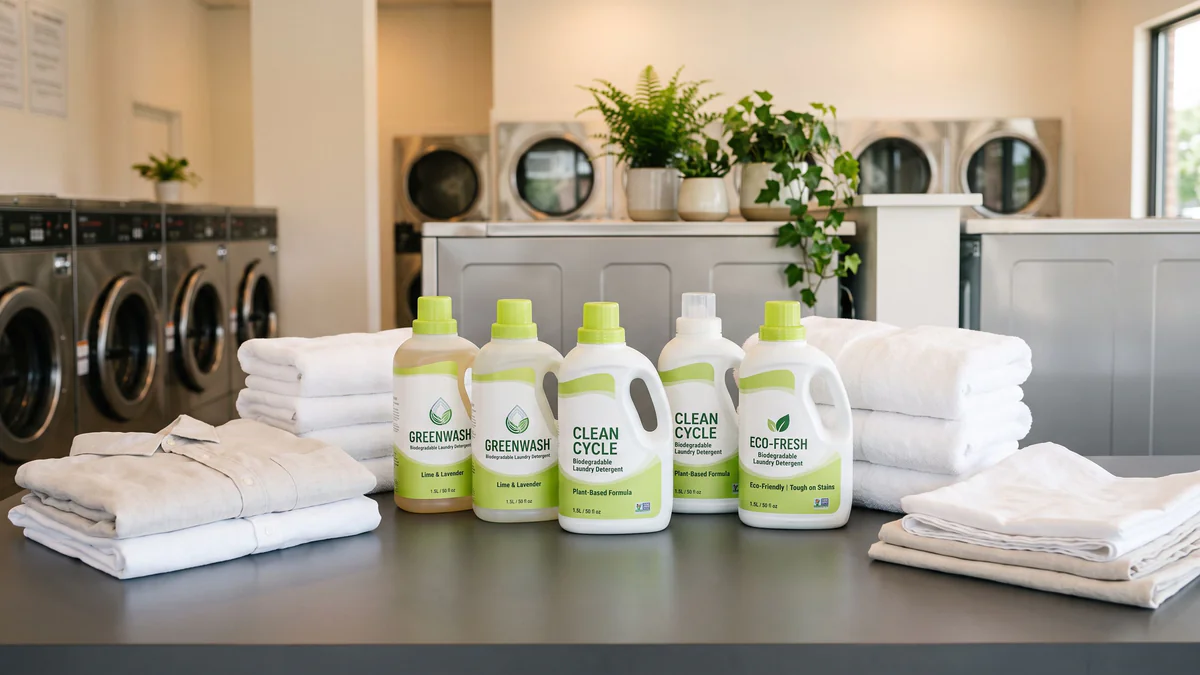
Wet cleaning is a modern, environmentally friendly method of professional garment cleaning that uses water as the primary solvent instead of chemical-based solutions. Unlike traditional home laundry, wet cleaning is highly controlled and uses specialized machines, biodegradable detergents, and precise temperature and moisture regulation to protect delicate fabrics.
The key principle behind wet cleaning is that water, when combined with gentle agitation and controlled drying systems, can safely clean even fabrics that are traditionally labeled as “dry clean only.” These include wool, silk, and cashmere, provided that proper techniques are followed.
Wet cleaning systems typically rely on computer-controlled washers and dryers that regulate drum movement, water levels, and drying temperatures. This ensures that garments do not shrink, stretch, or lose shape during the process.
Wet cleaning is increasingly preferred in commercial laundries and eco-conscious cleaning facilities due to its low environmental footprint and reduced chemical usage. It eliminates harmful solvents while still delivering high-quality cleaning results.
What is Dry Cleaning?
Dry cleaning is a traditional garment cleaning process that uses chemical solvents instead of water to remove stains and dirt from clothing. Despite its name, the process is not completely dry; instead, it relies on liquid solvents such as perchloroethylene (commonly known as “perc”) or alternative hydrocarbon-based solutions.
In dry cleaning, garments are placed into a specialized machine where the solvent circulates through the fabric. This dissolves oils, grease, and certain stains that water-based cleaning cannot effectively remove. After cleaning, the solvent is extracted, filtered, and reused, while the garments are dried using controlled heat.
Dry cleaning is particularly effective for fabrics that are sensitive to water, such as structured suits, silk dresses, and garments with intricate embroidery or tailoring. It helps maintain the shape and texture of delicate clothing that might otherwise be damaged by water exposure.
However, traditional dry cleaning has faced criticism due to environmental and health concerns related to chemical solvents, especially perc, which can be hazardous if not properly managed.
Key Differences Between Wet Cleaning and Dry Cleaning
Although both methods are used for professional garment care, their differences are significant in terms of technology, fabric compatibility, and environmental impact. Wet cleaning uses water and biodegradable detergents, whereas dry cleaning uses chemical solvents. This single distinction leads to multiple downstream differences in safety, sustainability, and fabric treatment.
Wet cleaning is generally safer for the environment because it avoids toxic chemicals. Dry cleaning, on the other hand, may involve solvent recovery systems but still poses environmental risks if not properly controlled. Fabric handling also differs. Wet cleaning uses gentle mechanical action and controlled drying, making it suitable for many delicate fabrics. Dry cleaning uses solvent-based cleaning, which is preferred for structured garments that require shape retention.
In terms of cost, wet cleaning systems are often more energy-efficient in the long term, while dry cleaning involves higher operational costs due to solvent handling and safety regulations.
Fabric Compatibility and Performance
One of the most important considerations when choosing between wet cleaning and dry cleaning is fabric compatibility. Different textiles react differently to moisture, chemicals, and mechanical stress. Wet cleaning has improved significantly in recent years and can now safely clean a wide range of fabrics including wool, silk blends, cotton, and synthetic fibers. Advanced wet cleaning systems use controlled agitation and specialized detergents that prevent shrinkage and fiber damage.
Dry cleaning remains the preferred method for garments that require structural integrity, such as tailored suits, blazers, and formal wear. It is also commonly used for fabrics that may react unpredictably to water, especially older or untreated textiles.
Performance-wise, wet cleaning is highly effective at removing water-based stains such as sweat, food spills, and organic dirt. Dry cleaning performs better on oil-based stains, grease, and certain cosmetic residues. A combined approach is often used in professional laundries, where pre-treatment and stain analysis determine the most suitable cleaning method for each garment.
Environmental Impact and Sustainability
Environmental concerns have significantly influenced the shift toward wet cleaning in modern textile care. Traditional dry cleaning methods often rely on chemical solvents that can be harmful to both the environment and human health if not properly contained. Wet cleaning is widely considered a greener alternative because it uses water-based solutions and biodegradable detergents. It produces minimal hazardous waste and reduces air pollution associated with volatile chemical solvents.
Dry cleaning facilities have improved over time by introducing solvent recovery systems and eco-friendly alternatives. However, even with these improvements, the environmental footprint remains higher compared to wet cleaning systems. Sustainability is becoming a major factor in commercial laundry operations, particularly in hospitals, hotels, and fashion industries where large-scale garment care is required.
Health and Safety Considerations
Health and safety play a critical role in evaluating cleaning methods. Dry cleaning solvents such as perchloroethylene have been associated with potential health risks when exposure is prolonged or poorly managed. Although modern facilities use containment systems, regulatory concerns still exist in many countries.
Wet cleaning avoids these chemical risks entirely, making it safer for workers and customers. It also reduces indoor air pollution and eliminates chemical odors often associated with dry-cleaned garments. From a workplace safety perspective, wet cleaning environments are generally less hazardous because they do not require handling or storing toxic solvents. This reduces regulatory compliance burdens for businesses as well.
Cost, Efficiency, and Maintenance
Cost efficiency varies depending on scale, equipment, and operational practices. Wet cleaning systems often require a higher initial investment in advanced machinery, but they tend to have lower ongoing costs due to the absence of expensive chemical solvents. Dry cleaning businesses incur continuous costs for solvent purchase, recycling systems, and regulatory compliance. These operational expenses can increase over time, especially in regions with strict environmental laws.
In terms of efficiency, wet cleaning is highly automated and suitable for bulk processing, making it ideal for commercial laundries. Dry cleaning remains more labor-intensive and specialized, particularly for high-end garments. Maintenance requirements also differ. Wet cleaning machines require regular calibration of water levels and detergent systems, while dry cleaning machines require solvent filtration and contamination control.
Which Method is Better?
There is no absolute winner between wet cleaning and dry cleaning, as both serve different purposes. The choice depends on fabric type, stain composition, garment structure, and environmental priorities. Wet cleaning is generally better for everyday garments, sustainable operations, and water-based stain removal. It is also more environmentally responsible and safer for workers.
Dry cleaning is still preferred for structured garments, luxury fabrics, and items that require precise shape retention. In modern textile care, many professional cleaners use a hybrid approach, combining both methods to achieve optimal results.
Conclusion
Wet cleaning and dry cleaning represent two distinct approaches to professional garment care. Wet cleaning focuses on water-based, environmentally safe cleaning with advanced technology, while dry cleaning relies on chemical solvents for deep stain removal and fabric protection.
As sustainability becomes more important in the textile industry, wet cleaning continues to gain popularity due to its eco-friendly nature and improved fabric safety. However, dry cleaning still holds its place for specialized garments that require structural preservation.
Understanding the strengths and limitations of each method allows consumers and businesses to make better decisions, ensuring longer fabric life, better cleanliness, and more responsible environmental practices.
FAQ
Is wet cleaning safe for all fabrics?
Wet cleaning is safe for most modern fabrics when done with professional equipment, but very delicate or vintage garments may still require dry cleaning after proper assessment.
Does dry cleaning damage clothes over time?
Repeated dry cleaning can gradually affect fabric texture, especially if harsh solvents are used frequently, though modern systems reduce this risk significantly.
Which method is more eco-friendly?
Wet cleaning is considered more eco-friendly because it avoids toxic chemical solvents and uses biodegradable detergents.
Can wet cleaning remove oil stains?
Wet cleaning is less effective on heavy oil-based stains compared to dry cleaning, though pre-treatment can improve results.
Why is dry cleaning still used today?
Dry cleaning remains widely used because it is highly effective for structured garments and delicate fabrics that may not respond well to water-based cleaning.
If you would rather hand this work to a team, start with our wash and fold laundry service.
Ready to skip the laundry
Drop it off, we’ll handle it.
Houston’s premier washateria with three convenient locations. Self-service, wash & fold, or pickup & delivery.
Related Articles