Natural Fabric Softener Alternatives: Eco-Friendly Solutions That Keep Clothes Fresh
Discover sustainable fabric softener alternatives that soften clothes naturally, reduce static, and keep laundry smelling fresh without harsh chemicals. Learn DIY options, plant-based products, and eco-friendly swaps that work just as well as conventional softeners.
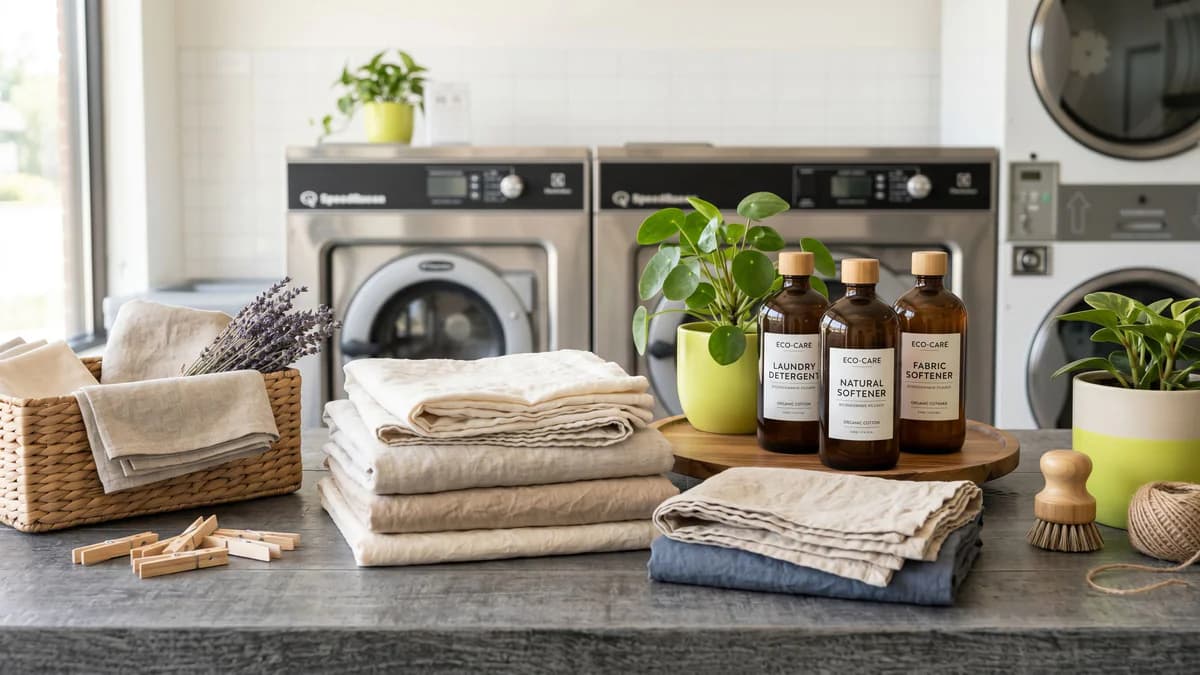
Soft, fresh-smelling laundry doesn't have to come with a chemical cocktail. If you're looking to make your laundry routine more eco-conscious, switching to natural fabric softener alternatives is one of the easiest and most impactful changes you can make. The good news: it's possible to have fresh, soft, and static-free laundry without costly fabric softener, and it's much healthier for you and the environment. Whether you're a busy professional in Houston looking to simplify your routine or a family wanting to protect your kids' skin, sustainable laundry practices benefit everyone. Let's explore the best natural alternatives that actually work, from DIY options you probably have at home to reusable products that'll save you money for years to come.
Why Switch Away from Conventional Fabric Softeners?
Before diving into solutions, it helps to understand why conventional fabric softeners are worth avoiding. Traditional fabric softeners are packed with synthetic chemicals, including fragrances, preservatives, and surfactants that can linger in waterways after being rinsed out, according to the EPA, contributing to pollution and harming aquatic life.
The health concerns are equally troubling. Many fabric softeners contain quaternary ammonium compounds (quats), which are known to cause a range of issues, from skin irritation to respiratory problems, and have been linked to asthma and respiratory issues, per the CDC. Additionally, concerning ingredients commonly found in conventional fabric softeners include benzyl acetate, chloroform, and preservatives like methylisothiazolinone.
Beyond your health and the environment, conventional fabric softeners can actually harm your clothes. Fabric softeners can leave a thin coating of residue on fabrics that can build up over time, affecting the absorbency and breathability of the fabric. This is especially problematic for towels and activewear that depend on moisture-wicking properties.
The solution? Natural fabric softener alternatives that deliver the softness and freshness you want without the downsides.
Best Natural Fabric Softener Alternatives That Actually Work
White Vinegar: The Budget-Friendly Champion
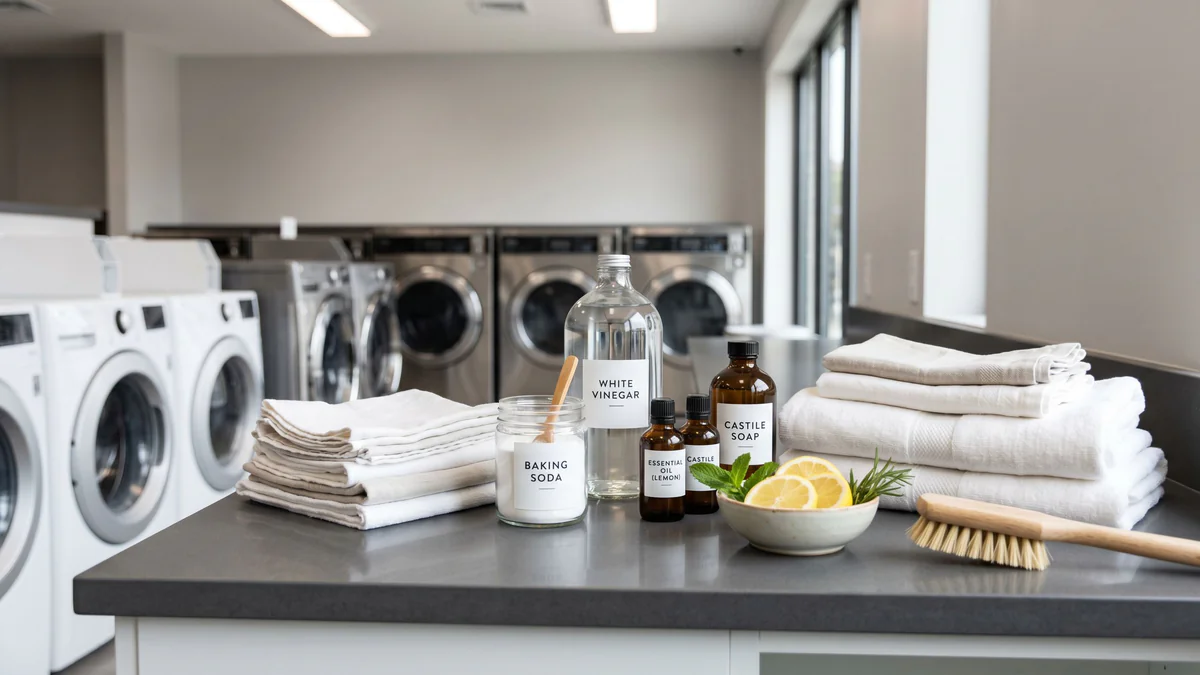
White vinegar is the most evidence-backed natural fabric softener alternative available, softening fabrics by breaking down detergent residue that stiffens fibers, reducing static cling, neutralizing odors, and even helping brighten colors, as documented on Wikipedia's acetic acid page.
How to use it:
- Add 1/4 to 1/2 cup of white vinegar to your washing machine's fabric softener compartment
- Run your wash cycle as normal
- During the rinse cycle, the vinegar will release and work its magic
Don't worry about the vinegar scent disappearing completely in the wash, so your clothes won't emerge smelling like salad. Regular use of vinegar also helps maintain your washing machine by preventing buildup and odor-causing bacteria.
For Houston families dealing with our humid subtropical climate, vinegar is especially effective at removing moisture-related odors that can develop in clothes stored in damp conditions.
Wool Dryer Balls: The Reusable MVP
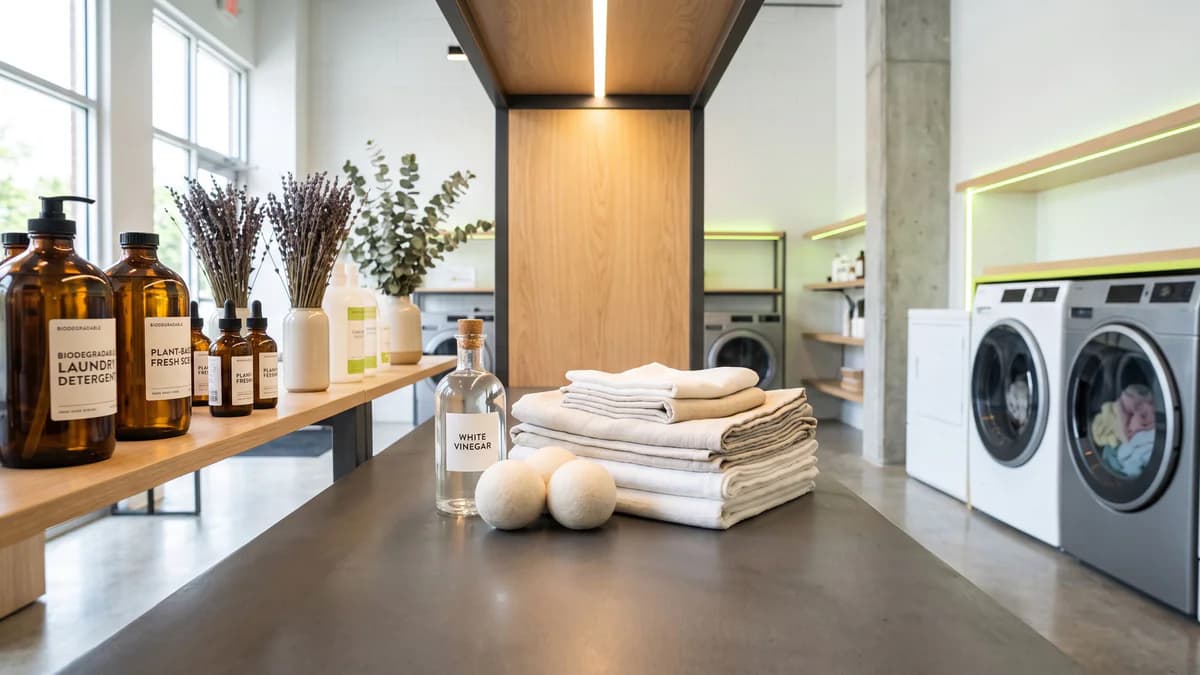
Wool dryer balls are widely considered the best natural fabric softener alternative because they soften clothes mechanically without leaving chemical residue. These simple spheres deliver impressive results.
Benefits of wool dryer balls:
- Save time, energy, and money by absorbing moisture from clothing and shortening drying time 10-25% with a reduced heat setting
- Reduce damage to clothes through lower temperature settings and shorter drying time, cut down on static, and reduce wrinkles
- The natural lanolin in wool also provides mild conditioning
- Work well with towels and cloth diapers by not diminishing towel or cloth diaper absorbency like chemical fabric softeners
How to use them:
Simply toss 3 to 6 wool balls into your dryer with your laundry and run a normal cycle. For added scent, apply a few drops of your favorite essential oil to the balls before drying.
Some wool dryer balls can last up to 1,000 loads, making them a sustainable alternative to single-use dryer sheets, according to Wikipedia's wool page.
Baking Soda: The Odor-Neutralizing Powerhouse
Add half a cup of baking soda to your laundry load during the wash cycle, and it helps neutralize odors, soften fabrics, and reduce static cling.
Baking soda balances the pH of the water, keeping fabrics soft and reducing odors, and you can add 1/4 cup of baking soda to the rinse cycle or mix it with water to form a pre-wash solution, as explained on Wikipedia's sodium bicarbonate page.
This is especially helpful for Houston families dealing with sweat stains and humidity-related odors in summer clothes. Baking soda is budget-friendly and completely biodegradable.
Epsom Salt: The Heavy-Fabric Specialist
The magnesium sulfate in Epsom salt helps relax fabric fibers, reducing stiffness without leaving a residue behind, and you can simply add between a quarter and half a cup to the washing machine during the rinse cycle to achieve softer laundry.
It works exceptionally well for heavy fabrics like towels and bed linens, keeping them soft and fresh. You can also create a DIY softener by mixing Epsom salt with essential oils for a custom scent.
DIY Natural Fabric Softener Recipes
If you want to make your own softener, here are two simple recipes:
Vinegar and Essential Oil Blend
Mix 2 cups white vinegar with 20-30 drops of your favorite essential oil in a container with a lid, shake well to mix, and add 1/4 to 1/2 cup of this mixture to your washing machine during the rinse cycle.
Citrus-Infused Vinegar
Soak citrus peels (lemon, orange, or grapefruit) in white vinegar for 2 weeks, strain, and use in the rinse cycle for a combination that combines the softening power of vinegar with a light citrus scent.
How to Choose Eco-Friendly Fabric Softener Products
If you prefer ready-made products, look for options that align with sustainable laundry principles. Eco friendly fabric softeners are typically made with natural, plant-based ingredients that are biodegradable and non toxic, and by choosing these alternatives, you reduce your exposure to harmful chemicals and support a cleaner environment.
Plant-based formulas reduce the use of harmful chemicals and make them non-toxic, and many eco-friendly fabric softeners come in biodegradable packaging, reducing plastic waste.
Tips for Success with Natural Alternatives
Test on a Small Load First
If you're new to natural softeners, start with a small load to see how your fabrics respond. Different water types and fabric blends may react differently to each alternative.
Consider Your Water Type
Houston's water quality varies by neighborhood. If you have hard water, Epsom salt offers a clever way to soften your laundry naturally by counteracting hard water minerals like calcium and magnesium that can make detergent less effective.
Combine Methods for Best Results
Experiment with combinations (e.g., vinegar + essential oils) to find what works best for your needs.
Air Dry When Possible
Air drying your clothes is a simple and effective alternative to using fabric softeners, and by hanging your clothes outdoors or on an indoor drying rack, you can naturally prevent stiffness and reduce static cling that often occurs from machine drying.
Common Mistakes to Avoid
Using too much baking soda: Baking soda should not cause any harm to most types of washing machines when used in moderation, but overdoing it could cause buildup.
Overloading the dryer with wool balls: Don't overload the dryer, as this can hinder airflow, lessen their effectiveness, and result in your dryer leaking water.
Using vinegar on delicate fabrics: Avoid using vinegar on delicate fabrics such as silk and acetate, as the acidity can be too harsh.
Making the Switch to Sustainable Laundry
Switching to natural fabric softener alternatives is one of the easiest ways to create a more sustainable laundry routine. You're not just protecting your family's health and your clothes, you're also reducing your environmental footprint with every load.
For busy Houston professionals, families juggling multiple loads, and students in tight dorms, these alternatives offer convenience without compromise. Many of these methods cost just pennies per load, making them budget-friendly too.
At WashMaxx, we're committed to supporting your sustainable laundry journey. As the biggest, best and clean washateria in the area, we use eco-friendly machines and biodegradable detergents across all three of our Houston locations. Whether you're tackling your own laundry with natural softeners or using our convenient wash and fold service, we're here to help you keep your clothes fresh and your conscience clear.
Ready to make the switch? Start with one natural alternative this week, whether that's a bottle of vinegar from your pantry or a set of wool dryer balls. Your clothes, your skin, and our Houston waterways will thank you.
Visit us today at one of our three convenient locations (Post Oak, Bissonnet, or Bellerive) to learn more about our eco-friendly laundry services, or explore our pickup and delivery options if you'd rather let us handle the heavy lifting. Join our rewards program and earn points on every load.
If you would rather hand this work to a team, start with our wash and fold laundry service.
Get Started TodayReady to skip the laundry
Drop it off, we’ll handle it.
Houston’s premier washateria with three convenient locations. Self-service, wash & fold, or pickup & delivery.
Related Articles